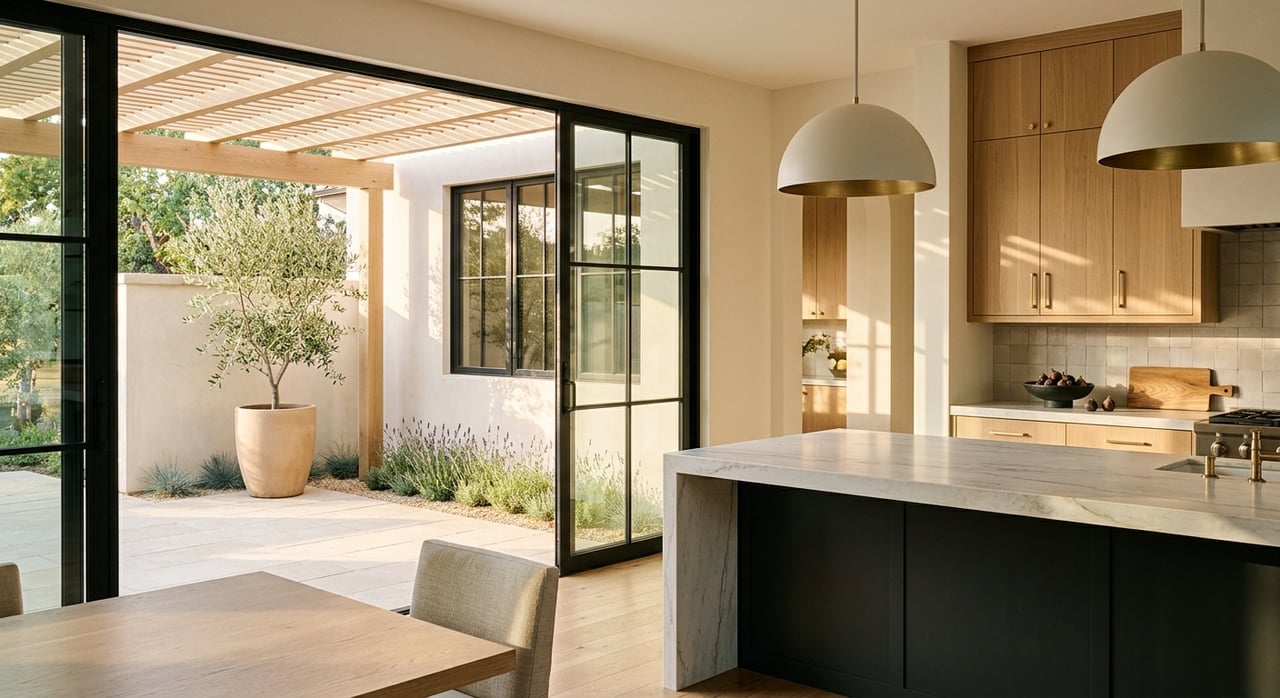
Selling a Luxury Home in St. Helena Starts Here
April 16, 2026
April 16, 2026
If you are preparing to sell a luxury home in St. Helena, it helps to start with one key truth: buyers are not only evaluating your house, they are buying into a Wine Country lifestyle. In a market known for its historic downtown, acclaimed dining, boutique shopping, galleries, and access to hundreds of wineries, your home needs to feel polished, purposeful, and easy to imagine as part of that experience. With the right preparation, you can improve how your property shows, strengthen your pricing position, and create a more compelling launch. Let’s dive in.
St. Helena is not a one-size-fits-all resale market. The town is widely recognized as Napa Valley’s Main Street, and that identity shapes what luxury buyers notice most.
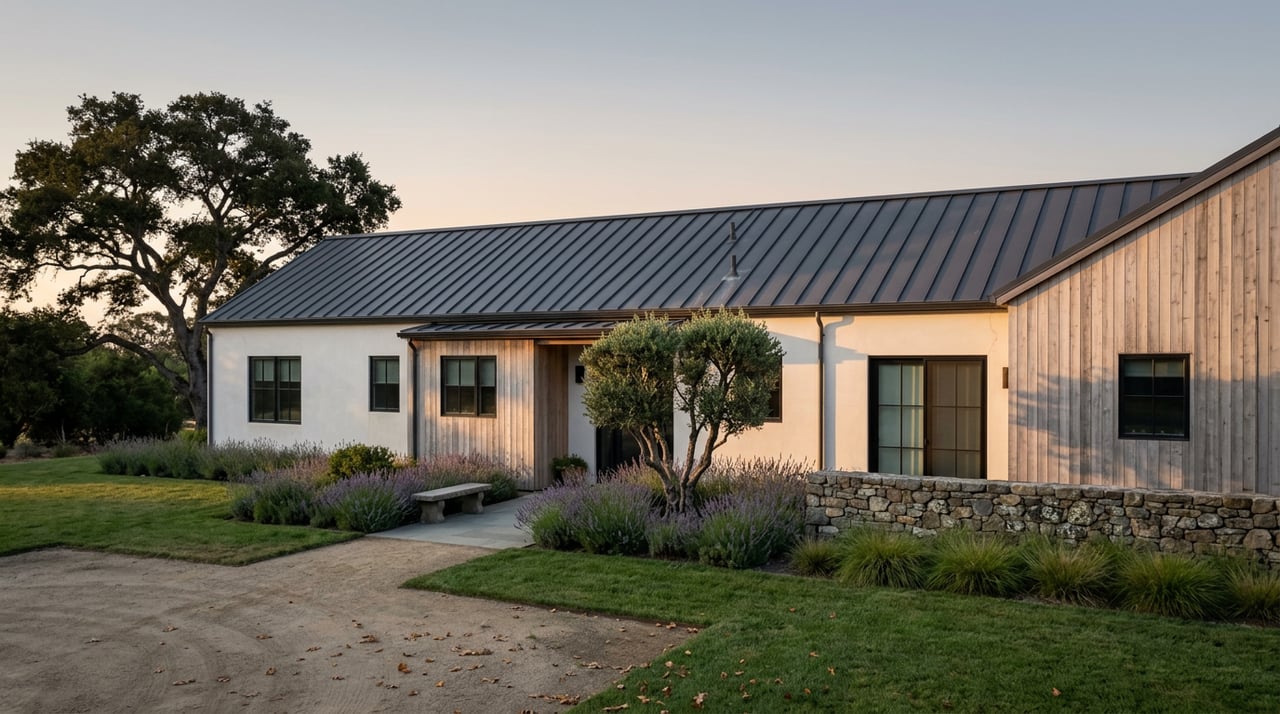
For many buyers, square footage is only part of the story. They are also looking at view corridors, privacy, indoor-outdoor flow, entertaining spaces, and how the property connects to the broader Wine Country lifestyle. That means your preparation should highlight the full experience of living there, not just a list of features.
Current data also points to a premium but measured selling environment. Zillow reports a typical St. Helena home value of $1,647,572 and a median list price of $2,131,500 as of October 31, 2025, while recent market reporting noted a balanced market with a 96% sale-to-list ratio and 132 median days on market. In practical terms, that means thoughtful pricing and a polished presentation matter more than assuming the market will do the work for you.
When sellers hear “preparing a luxury home,” they sometimes think it means major remodeling. In many cases, the highest-impact work is simpler than that.
According to the National Association of Realtors, staging can increase the dollar value offered on some homes and reduce time on market. Their 2025 report found that 29% of agents saw a 1% to 10% increase in the dollar value offered for staged homes, and 49% said staging reduced time on market.
That supports a prep strategy focused on visible improvements, such as:
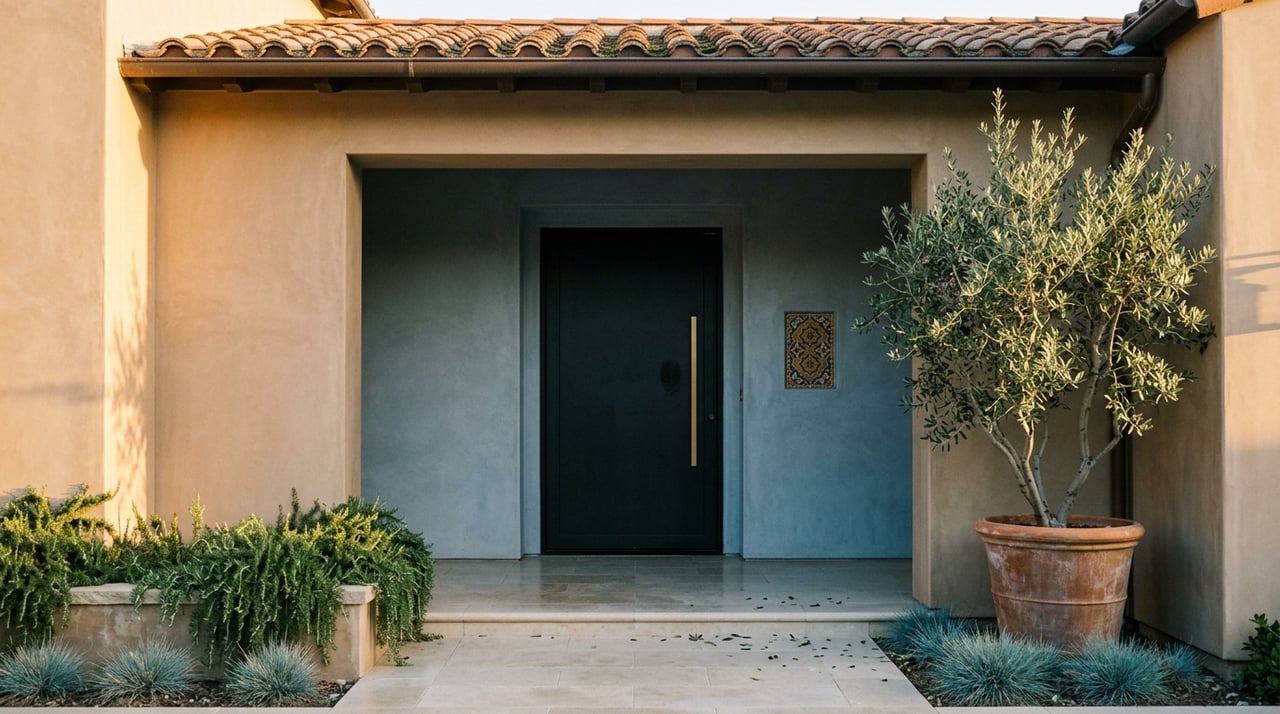
Luxury buyers tend to respond well to homes that feel easy, clean, and intentional. A property does not need to feel overdesigned. It needs to feel well cared for and ready to enjoy.
In St. Helena, outdoor areas often carry real weight in a buyer’s decision. The lifestyle of the town, from vineyard visits to outdoor dining and downtown strolls, naturally influences what buyers want to see at home.
If your property has terraces, garden seating, a pool area, view-facing patios, or covered dining space, these areas deserve special attention. Presentation should help buyers picture relaxed mornings, evening gatherings, and a seamless connection between indoor comfort and outdoor living.
Buyer preferences also continue to favor practical upgrades that support modern living. NAR notes that buyers respond to energy-efficient updates, smart-home features, flexible spaces, and usable outdoor areas.
That means spaces like a home office, guest suite, gym, or bonus room should be presented with a clear purpose. If your home includes technology upgrades or energy-conscious features, those details should be documented and thoughtfully woven into the marketing story.
Before a buyer books a private showing, they usually see your home online. That first impression matters more than ever.
NAR reports that 52% of buyers found the home they purchased online, and 81% rated listing photos as the most useful feature in their search. For a luxury property, this means your digital presentation should be treated as a launch campaign, not an afterthought.
Professional photography is essential, especially for homes with views, layered grounds, or architectural detail. Strong images can help buyers understand the atmosphere of the property and create an emotional connection before they ever step inside.
Larger homes and estates can be hard to understand from still photos alone. That is where floor plans, measured layouts, and virtual tours can help.
NAR notes that virtual tours are more immersive than static photos and improve a buyer’s understanding of the space. For luxury buyers comparing second homes, estates, or architecturally complex properties, that extra clarity can make your listing more memorable and more efficient to tour in person.
Luxury marketing should do more than describe finishes. It should connect the home to place.
In St. Helena, that can include the town’s historic shopping district, dining culture, galleries, and the broader Wine Country setting. When your marketing shows how the home fits into daily life there, buyers can better picture it as a full lifestyle purchase rather than just another property.
One of the smartest ways to prepare a luxury home for sale is to get ahead of paperwork early. A clean, organized disclosure package can reduce delays, answer buyer questions faster, and build trust.
Start by gathering permits, inspection records, and documentation for any meaningful work completed on the property. Napa County offers a public records search for building, planning, engineering, well, onsite wastewater, conservation, code enforcement, and inspection records, though the county notes that some records are still being digitized.
If your property includes a private well, septic system, or other onsite wastewater component, Napa County Environmental Health oversees those systems and related permits. You can review the county’s well and onsite wastewater information if those elements apply to your home.
California sellers are often required to provide specific disclosures, and it is best to start that process before your home hits the market. For many single-family residential sales, the Real Estate Transfer Disclosure Statement applies and must be delivered within the timing required by law.
Natural hazard disclosures are also important. California law covers conditions such as flood zones, earthquake fault zones, seismic hazard zones, very high fire hazard severity zones, and state responsibility or wildland fire areas. For hillside or open-space luxury properties, this is something to verify early rather than later.
If your home was built before 1978, federal law requires disclosure of known lead-based paint information, available reports, and the EPA pamphlet, along with a buyer opportunity to inspect for lead hazards. Newly renovated properties may also require additional disclosure if qualifying contractor work was completed within the period defined by California law after title transfer.
In Napa County, wildfire-related compliance deserves special attention. If the property is in a high or very high fire hazard severity zone and the home was built before January 1, 2010, California requires an additional wildfire disclosure regarding fire-hardening and vulnerability features.
Napa County also states that for qualifying properties, a defensible-space inspection must show compliance and be completed within six months before entering into a sales contract. The county notes there is no cost for this inspection. Handling this step early can prevent last-minute stress once you are in escrow.
Luxury sellers sometimes make the mistake of pricing from aspiration instead of evidence. In a balanced market, that can lead to a slower launch, fewer qualified showings, and more time spent correcting course.
In St. Helena, where the data suggests strong values but a measured pace, pricing should match the home’s condition, location, presentation, and market context. A realistic strategy gives your launch a better chance to capture attention during the critical first days on market.
That early window matters. NAR notes that listing performance can be influenced by early views, saves, and shares, which is one more reason a luxury home should launch with its pricing, visuals, and marketing all fully aligned.
The strongest luxury listings rarely come together at the last minute. They are planned carefully, with each part supporting the next.
A smart pre-listing plan often includes:
That kind of preparation helps your listing enter the market with confidence. It also makes the showing experience smoother for buyers and can reduce avoidable friction once negotiations begin.
Selling a luxury home in St. Helena is about more than putting a sign in the yard. It is about presenting a complete story, from the condition of the property to the quality of the marketing to the lifestyle buyers hope to step into. If you want steady guidance, polished execution, and boutique support tailored to Wine Country properties, Amanda Shone can help you prepare your home for a thoughtful, strategic sale.
Stay up to date on the latest real estate trends.
Your real estate journey starts here.