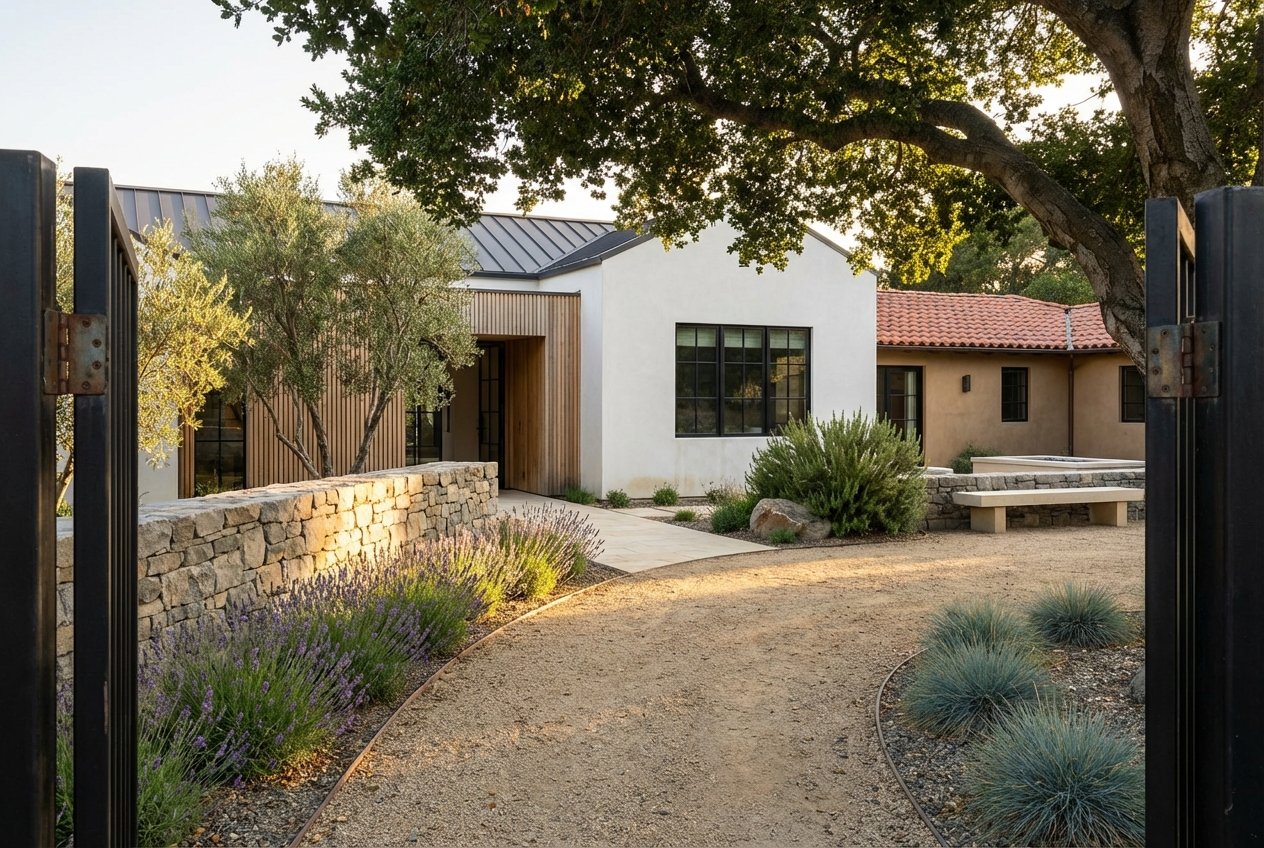
Sonoma vs Napa Real Estate for Full-Time Wine Country Living
February 19, 2026
February 19, 2026
If you plan to live in Wine Country year-round, your short list usually comes down to Sonoma or Napa. Both offer vineyards, views, and great food, but the day-to-day feel and practical costs can differ in ways that matter when you are not just weekending. This guide gives you a clear, side-by-side look at lifestyle, typical prices, commutes, insurance, short-term rental rules, and more so you can choose with confidence. Let’s dive in.
In the city of Sonoma you see an appealing mix: historic adobes and Victorians near the Plaza, mid-century ranch homes and subdivisions on the west side, and single-family homes on one-quarter to one-plus acre lots within town limits. Just beyond, Sonoma Valley opens into vineyard estates and hobby ranches on multi-acre parcels. The result is a strong choice between walkable in-town living and rural-feeling properties a short drive away. Insights on the town’s character are well captured in this Sonoma-focused travel overview that highlights the Plaza and surrounding valley experience, which mirrors what you feel as a resident, not just a visitor. See the Sonoma travel guide context.
Napa city offers downtown Victorians and bungalows, mid-century tracts, and a wider valley market of hillside homes and vineyard estates. Inventory across the valley often includes more formal estate and winery-adjacent parcels. Price swings within the city and valley are driven by neighborhood, lot size, and whether vineyard acreage is part of the package.
Because both cities are smaller markets, monthly medians can move quickly when several high-value homes close at once. Use fresh MLS comps and ranges rather than a single number when planning your budget.
Average resident travel times to work sit in the mid-20 minutes for both cities. For context, the U.S. Census shows mean travel time for Sonoma city residents around 26 to 27 minutes and Napa city residents around 24 minutes. These figures reflect many local jobs and hybrid schedules rather than a daily cross-bay commute. Review the Census QuickFacts for Sonoma for a sense of local patterns.
Driving distances from either city to San Francisco are roughly 40 to 55 miles. Typical one-way times run about 1.0 to 1.5 hours depending on departure time, route, bridge traffic, and events. For planning, check a real-world estimate like this Sonoma to San Francisco drive time reference.
Tip: If you expect to commute multiple days per week, test your door-to-door route during commute hours. Include time for station parking, ferry boarding, and first–last mile.
Sonoma’s historic Plaza anchors a village-scaled downtown with tasting rooms, small restaurants, and community events. Walking is easy, nights feel quieter, and wineries are more dispersed across valley roads. For an at-a-glance flavor of this setting, see Sonoma’s Plaza-centric overview.
Napa’s downtown core is larger, with more concentrated dining, tasting rooms, and visitor infrastructure. Across the valley, resort towns and destination restaurants create a lively hospitality scene. Expect more visible visitor traffic than in Sonoma’s smaller town center.
California’s 2025 Fire Hazard Severity Zone maps expanded high and very high designations in both counties. Parcels in higher hazard areas often face added defensible-space and building rules. Review local mapping updates and resources via Napa County’s FHSZ page.
Insurance is an active area of reform. The California Department of Insurance is advancing a Sustainable Insurance Strategy and changes to the FAIR Plan that aim to improve availability. Translation for buyers: get written quotes early, budget for higher premiums in some ZIP codes, and factor in mitigation steps. See the latest state insurance guidance.
If you plan to offset costs with short-term rental income, rules differ by city.
Bottom line: do not rely on future STR income in either city without confirming permit availability and transfer rules in writing.
California’s ADU laws make it easier to add a secondary unit than in past years, and local programs in Napa and Sonoma support ADU production. An ADU can be a path to multi-generational living or long-term rental income, but you still need to verify local standards, site constraints, and utilities early.
California’s base property tax rate is about 1 percent plus local assessments. Counties collect documentary transfer tax at $0.55 per $500 of consideration. Some cities may add an additional city transfer tax. For mechanics and examples, check the Sonoma County transfer tax page.
Both cities are served by established public school districts and have local hospital access. Sonoma Valley Hospital provides acute care and emergency services in Sonoma. In Napa, Queen of the Valley serves the city and valley region. Always confirm attendance zones and provider specialties based on your needs.
Use these steps to make a confident call:
Choosing between Sonoma and Napa for a full-time move is personal. The right answer blends commute, lifestyle, budget, and long-term plans. If you want calm, expert guidance and local insight into neighborhoods, parcels, and rules that affect ownership, reach out to Amanda Shone. She brings generational Sonoma Valley knowledge and boutique, high-touch advisory to help you buy with clarity and confidence.
Stay up to date on the latest real estate trends.
Your real estate journey starts here.