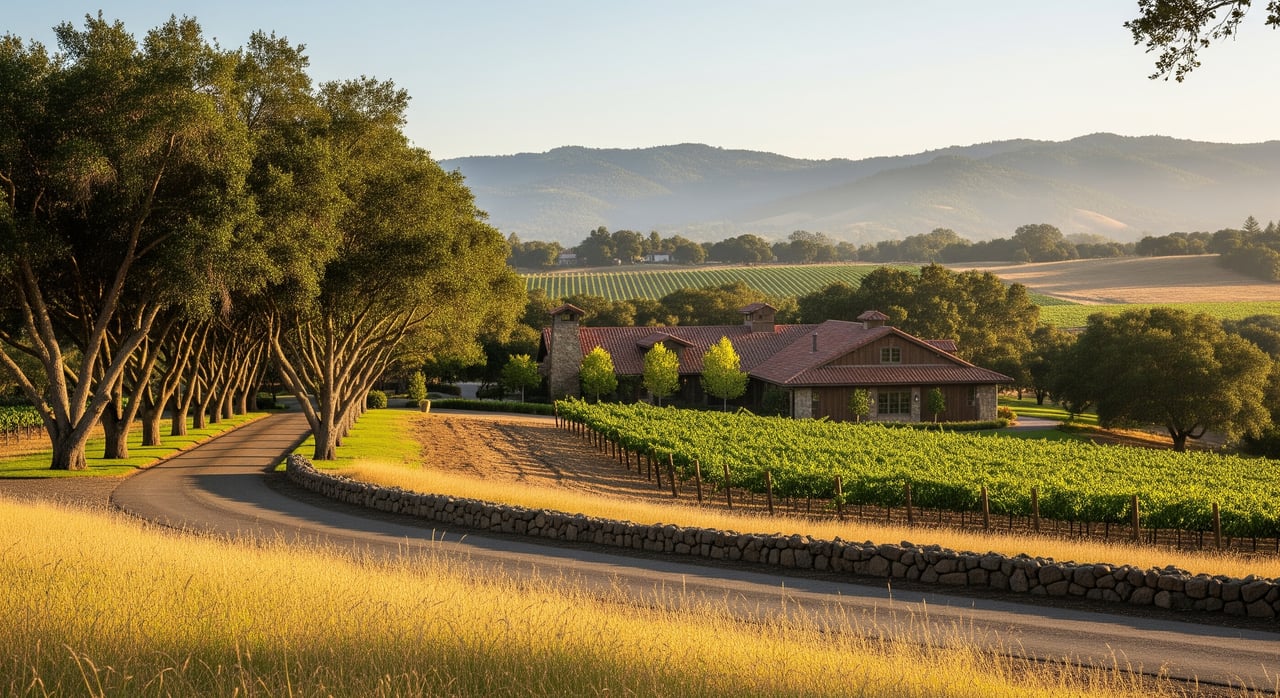
Glen Ellen Zoning Basics for Home Buyers
December 4, 2025
December 4, 2025
Thinking about buying in Glen Ellen and picturing an ADU, a home studio, or a small vineyard on your land? Zoning can make those dreams easier or harder than you expect. The good news is you can avoid surprises when you know how Sonoma County rules work in this part of the valley. In this guide, you’ll learn the essentials that affect your plans, from ADUs and home businesses to small agricultural uses and short-term rentals. Let’s dive in.
Glen Ellen sits in unincorporated Sonoma County, so planning, zoning, and building permits run through Permit Sonoma. Two layers shape what you can do on a property: the General Plan land-use designation and the zoning designation. The General Plan sets policy-level guidance, while zoning sets the detailed rules like permitted uses, setbacks, and lot sizes.
Zoning also interacts with other approvals, including building codes, fire-safety standards, septic and well rules, and environmental protections. California state laws, especially for ADUs, can limit how restrictive local rules can be. Always verify both the General Plan designation and the exact zoning code section for the parcel early in your review.
Most residential parcels allow single-family homes and, in some cases, multi-family. ADUs are often allowed under state law and local ordinance, but objective standards still apply. Expect limits on height, setbacks, and lot coverage. Home occupations are usually permitted as accessory uses when they have minimal traffic, signage, and noise.
These larger-lot areas often allow more flexibility for small-scale agriculture, animals, and accessory structures such as barns or arenas. ADUs are usually allowed but may hinge on septic and well capacity, terrain, and fire access. Subdivision or additional primary dwellings are commonly limited by minimum parcel size and other standards.
Agricultural zones support commercial agriculture such as vineyards and orchards. Small hobby uses are typically fine, but commercial activities, including wineries, tasting rooms, and events, often require discretionary permits and additional studies for traffic, water, and wastewater. Parcels under Williamson Act contracts carry restrictions on non-agricultural uses and subdivision.
Open space, conservation, hillside, and scenic resource overlays protect viewsheds, steep slopes, and habitat. These can add tighter development standards and may require environmental review or mitigations. Some parcels fall under Planned Development or Specific Plans with customized rules that supersede base zoning, so review the governing documents closely.
California law makes ADUs broadly allowable on single-family lots subject to local objective standards. In Glen Ellen, feasibility often hinges on non-zoning items:
Ask for prior permits, septic and well reports, and any county correspondence. If an ADU is a priority, review Permit Sonoma’s ADU checklist and meet with staff early.
Light home occupations are typically allowed as accessory uses if they keep traffic, deliveries, noise, and signage to very low levels. If your plan involves client visits, specialized equipment, on-site retail, or a commercial kitchen, a permit may be needed. Parking, proximity to neighbors, and compliance with specific limits are common enforcement points.
A garden, small orchard, or a few animals is often allowed in rural zones. Commercial uses, including wineries, tasting rooms, or event spaces, usually need discretionary permits and may require environmental review. On steeper terrain, vineyard development or new roads can trigger grading and erosion-control permits.
Whether you can split a parcel or add a second primary dwelling depends on zoning density, minimum lot size, and any environmental or conservation overlays. New parcels and lot line changes require county review and can trigger costly improvements for roads, drainage, and fire access.
Sonoma County regulates short-term rentals with registration, compliance standards, and transient occupancy tax. Some areas have overlay zones that limit STRs. If renting is part of your plan, confirm whether the property is eligible and whether it has a current registration.
Some Glen Ellen areas are design-sensitive or historic. Exterior changes may require review from a county planner or advisory body, especially for structures visible from key corridors or within designated areas.
Most projects follow a predictable path:
Discretionary approvals can take months or longer and may require mitigation measures. Build time and cost contingencies into your plan.
Even if zoning allows your use, the following can be decisive:
Verify these items during escrow or earlier, especially for acreage or hillside properties where site constraints can limit buildable areas and add cost.
Use this quick list during escrow or pre-offer:
Timelines vary by project. Simple building permits can take weeks to months once submittals are complete. Discretionary approvals, such as use permits or subdivisions, often take several months and can include public hearings. Costs can escalate for septic upgrades, road or access improvements, fire-safety work, and environmental mitigations. Avoid relying on verbal assurances and always verify in county records.
A property that looks perfect at first glance can carry hidden constraints, especially in hillside or agricultural settings. When you understand zoning together with septic, well, and fire standards, you can shop with confidence and write stronger offers. If you want a second set of eyes on a Glen Ellen parcel or need help planning a permit path, reach out for guidance grounded in local experience.
Ready to talk through your goals and next steps? Connect with Amanda Shone for calm, knowledgeable guidance on Glen Ellen zoning, ADUs, and acreage due diligence.
Stay up to date on the latest real estate trends.
Your real estate journey starts here.