What Is an AVA in Yountville? A Homebuyer’s Guide
December 18, 2025
December 18, 2025
Have you heard the term “AVA” while touring Yountville and wondered what it means for your home search? If you love wine country living, understanding AVAs can help you read between the lines of a listing and see how a property fits into the local story. In this guide, you’ll learn what an AVA is, what it is not, how it shows up in Yountville, and the key checks to make before you buy. Let’s dive in.
An American Viticultural Area, or AVA, is a federally recognized grape-growing region defined by the U.S. Alcohol and Tobacco Tax and Trade Bureau. AVAs outline areas where climate, soils, elevation, or other physical features create distinct conditions for growing grapes. They exist to communicate wine origin on labels and help consumers understand where the grapes were grown. AVAs are created through a petition process that documents the area’s distinguishing features and boundaries.
An AVA does not change property taxes, zoning, building codes, or development approvals. Land use rules, permits, and environmental review are handled by local government and county planning departments. If you are considering vineyard operations or visitor-serving uses, plan to work with Napa County on applications and compliance. Think of AVAs as wine-label geography, not land-use law.
For a wine to use an AVA name on its label, at least 85% of the grapes must be grown within that AVA. That threshold is why AVA names carry meaning in the market and why they often appear in property narratives. Broader appellations like county or state have different thresholds, typically 75%. If you plan to produce or sell wine tied to a property, the 85% rule is a core requirement to understand.
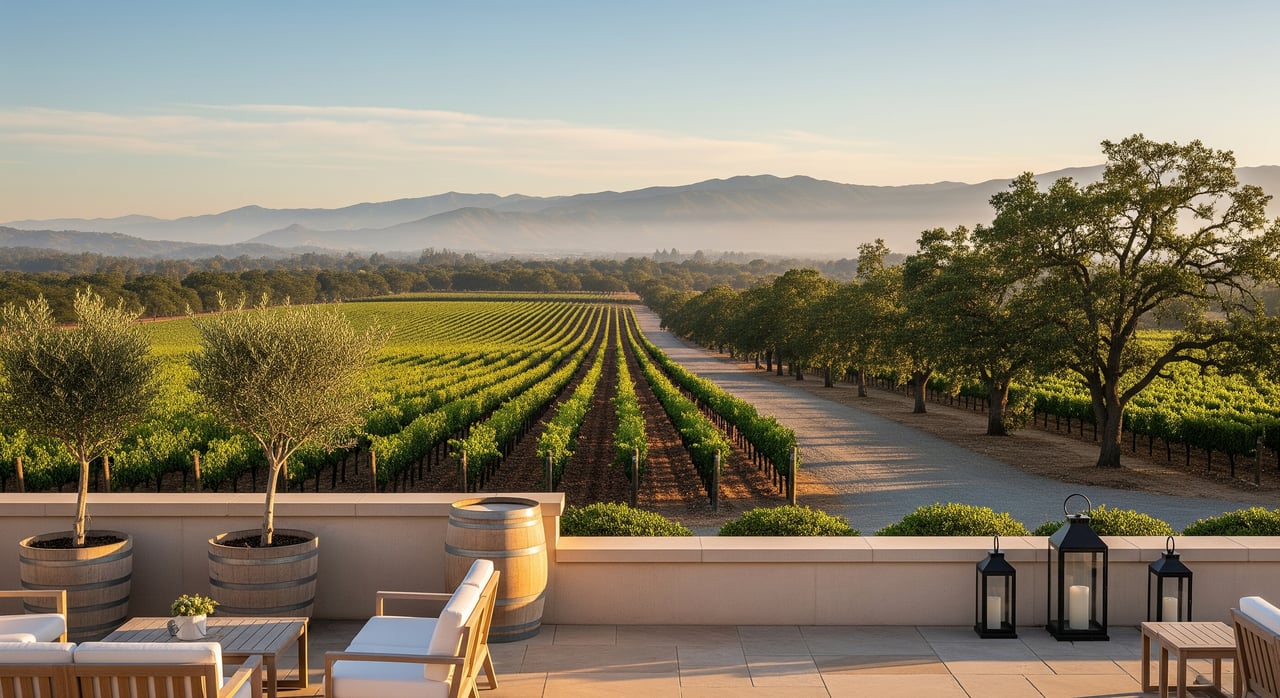
Yountville sits within the Napa Valley wine region and inside the Napa Valley AVA. Napa includes many smaller sub-AVAs such as Yountville, Oakville, Rutherford, Stags Leap District, St. Helena, and Howell Mountain. Wineries use these sub-AVAs to signal more specific terroir than the broader “Napa Valley” name. Parcel-level confirmation is important, since AVA lines do not always match town or neighborhood boundaries.
Yountville is known for refined restaurants, boutique tasting experiences, and close proximity to notable vineyards. That blend of culinary culture and vineyard scenery is a big part of what buyers seek here. As a result, an address connected to a recognized AVA can become part of the lifestyle story you are buying.
AVA names help shape local identity through vineyard names, tasting room clusters, and winery reputations. Terms like “Estate in the Yountville AVA” or “private vineyard with AVA appellation” show up in listings to signal a certain wine-country experience. The name is a shortcut for style, place, and lifestyle expectations.
Smaller, well-known AVAs can carry prestige with collectors and wine lovers. In real estate, that prestige shows up as marketing and storytelling value, not a change in zoning. Buyers who care about wine culture may prioritize properties tied to respected appellations, especially when there is a producing vineyard or proximity to celebrated dining. Any value uplift is market-driven and depends on buyer preferences and tangible assets.
Living near tasting rooms and vineyards comes with clear perks. You get easy access to events, scenic vineyard views, and a rural-agricultural ambiance. You also enjoy top-tier culinary and hospitality options, especially in and around downtown Yountville. Trade-offs can include seasonal visitor traffic, event activity on neighboring parcels, and stricter county permitting for winery or visitor-serving uses.
Start with the official AVA boundary description and maps from the U.S. Alcohol and Tobacco Tax and Trade Bureau. Then use Napa County GIS or Assessor parcel maps to overlay your specific parcel and confirm inclusion. A title company or surveyor can provide a parcel-level confirmation if you plan to include AVA language in your marketing or future label claims. Keep your documentation on file for accuracy.
Winery operations, visitor-serving uses, and new plantings often require permits and may involve environmental review. Napa County has historically applied strict regulations to protect agriculture and rural character. Agricultural conservation easements can reduce development potential while preserving the landscape many buyers value. Understanding these realities early helps you plan the right scope and timeline.
Lenders and insurers consider location, land use, and any commercial activity on the property. An estate vineyard or winery use may require specialized farm or commercial lending and insurance. Appraisals should compare sales within the same AVA when possible and account for vineyard improvements, water rights, and any tourism-related revenue potential.
If you plan to sell, use AVA language that is clear and supportable. Keep documentation showing the parcel sits within the AVA before referencing it in a listing. Phrases like “private vineyard with [AVA] appellation” or “walk to downtown Yountville dining and tasting rooms” can help buyers picture the lifestyle. Avoid any unverified label claims about wine production or visitor rights.
Buying in Yountville often blends lifestyle goals with technical details like water, permits, and vineyard feasibility. You deserve guidance that balances both. If you would like introductions to county planning, a viticultural consultant, or a title or survey team for AVA verification, reach out to a trusted local advisor. For high-touch guidance across Wine Country, connect with Amanda Shone for personalized support and a clear plan forward.
Stay up to date on the latest real estate trends.
Your real estate journey starts here.