Guide for Kenwood Vineyard Land Buyers in Sonoma Valley
March 5, 2026
March 5, 2026
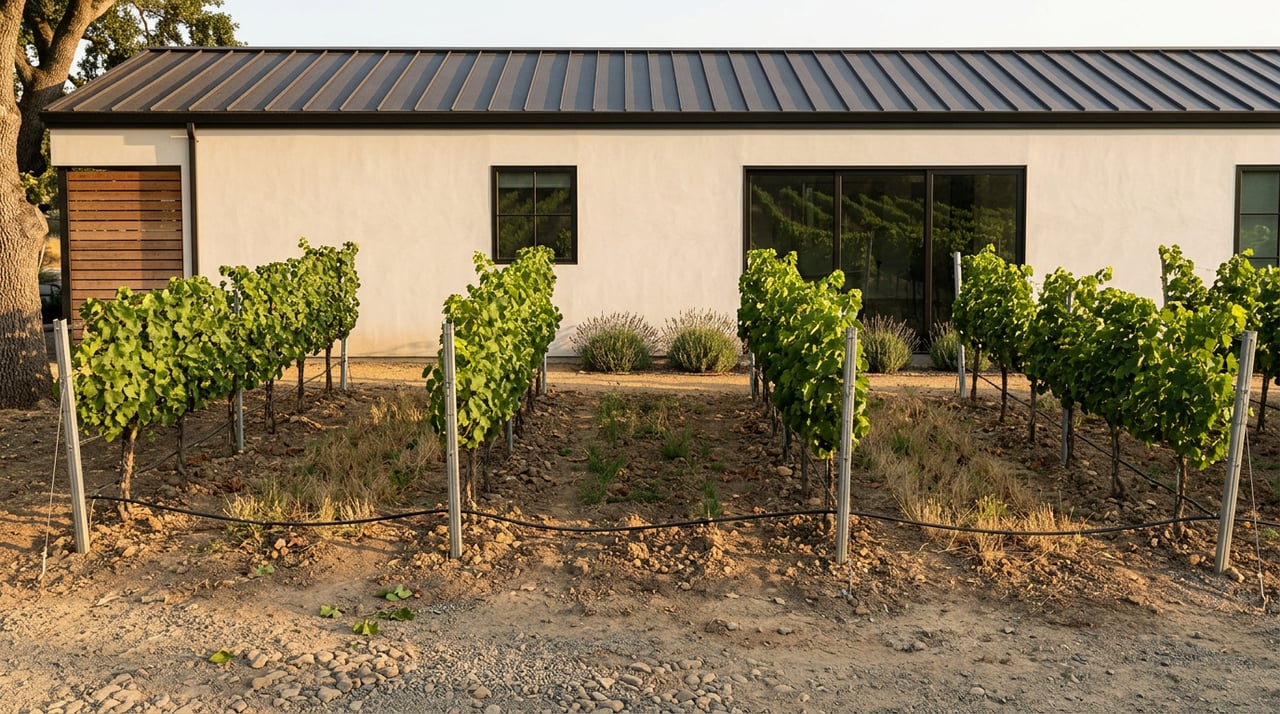
You can picture the rows already. Golden light, Mayacamas views, and a small block of vines with your name on it. If you are thinking about buying vineyard-capable land in Kenwood, you are not alone. The opportunity is exciting, but success comes from careful due diligence. In this guide, you will learn how to evaluate soils, water, access, permits, costs, and timelines so you can move forward with clarity. Let’s dive in.
Kenwood sits in the upper Sonoma Valley within the Sonoma Valley American Viticultural Area. AVA identity influences market perception, but site conditions drive wine quality and farming success. The same valley can hold warm benches, cool pockets, and varied exposures within a mile. That is why parcel-level topography, frost risk, and vineyard history matter as much as the AVA label. For official AVA context and boundaries, review the federal resources on AVA establishment dates at the Alcohol and Tobacco Tax and Trade Bureau.
Sonoma Valley tends to be warmer and drier than some north-county areas because it is sheltered by Sonoma Mountain and the Mayacamas. You will see Cabernet, Merlot, Zinfandel, and Chardonnay perform well here. On any given parcel, slope and aspect control heat accumulation and air drainage, which influence varietal selection and rootstock choice. Cold air can pool in low spots, raising frost risk, while south and southwest slopes warm faster in spring.
Look for balanced slopes that shed cold air and allow equipment access. Gentle to moderate south and west exposures often gain ripening heat. Ridgetops may offer great sun and drainage, but soils can be shallow. Map frost pockets and talk with neighbors about historic frost events so you can plan for protection systems if needed.
Soils in Kenwood range from deeper alluvial loams on fans and flats to stony, well-drained upland benches. Rooting depth and drainage determine vine vigor and irrigation needs. Start with the USDA’s NRCS Web Soil Survey for a parcel-scale map, then confirm with soil pits and lab testing for pH, salinity, texture, and organic matter. Public mapping is a helpful screen, but it is not a substitute for in-field evaluation.
Many Kenwood parcels front State Route 12, but interior blocks often rely on private roads and shared easements. Confirm legal road access, recorded maintenance agreements, and whether any upgrades are required to meet county standards for agricultural equipment. Title review and a surveyor’s input are time well spent.
Most vineyard-capable parcels in Kenwood rely on private wells or on-site storage. The Sonoma Valley Groundwater Sustainability Agency manages the local subbasin under California’s SGMA framework. Before you write an offer, request historic well logs, recent pump tests, and the parcel’s record in the GSA’s GUIDE tool to confirm any registration status, reporting, or fees. If no well exists, consider a preliminary hydrogeologic opinion for siting and feasibility.
Valley-floor and bench sites may need frost protection and irrigation. Confirm pump capacity, power availability, and whether the water source is permitted for frost use. Sonoma County outlines registration and best practices for frost-protection systems, so review any existing system records during diligence.
New plantings and vineyard replants in Sonoma County follow the Vineyard and Orchard Site Development rules known as VESCO. Smaller, low-impact replant projects may qualify for streamlined registration. Larger or steeper projects, or work in erosion-sensitive areas, can require engineered erosion-control plans and formal review. Connect with Permit Sonoma early to confirm whether your vision is a replant or a Level II or III new planting and what documentation will be required.
If you plan to produce wine or host visitors on-site, you will need a discretionary Use Permit through Permit Sonoma. The county reviews water availability, traffic, noise, and biological and cultural resource impacts, then sets conditions for production, visitor counts, and events. Building your business plan around these thresholds at the start will save time and cost.
Any work in or near streams, lakes, or wetlands can trigger permits or agreements with resource agencies. In California, many in-channel or bank-related projects require a Lake and Streambed Alteration notification and agreement through the Department of Fish and Wildlife. Expect field delineations, setbacks, and potential mitigation if your plan touches riparian features.
Kenwood is in a wildfire-prone region. CAL FIRE’s Fire Hazard Severity Zone maps classify areas as Moderate, High, or Very High. For real estate transactions in High or Very High zones, AB 38 requires sellers to document defensible space compliance or provide an agreement for post-close correction. Confirm a parcel’s FHSZ status and budget for home-hardening and vegetation management.
Vineyards are multi-year investments. From planting to first commercial fruit, plan on about 2 to 3 years for small yields. Reaching full production and stable cash flow usually takes 3 to 5 years, depending on the variety, rootstock, and farming program. County review, environmental studies, and permit timelines can add months before you even plant.
Establishment costs vary with terrain and infrastructure. Studies show a wide range, but a practical planning band for a modern, engineered vineyard is roughly 25,000 to 50,000 dollars or more per acre, excluding land cost. Steep or rocky sites, long utility runs, new ponds, or significant road work will push budgets to the high end. Replanting an existing block can be far less. For detailed assumptions and sample budgets, consult UC cost and returns studies.
Common items buyers overlook include permit and consultant fees, biological and archaeological surveys, road and culvert upgrades, well drilling and storage, septic or wastewater improvements for guest facilities, and long-term road and vineyard maintenance. Build a contingency for these line items and plan your cash flow for the establishment window.
Kenwood offers a wide spectrum of acreage. You will find 1 to 5 acre hobby blocks, 5 to 30 acre estate parcels, and larger, contiguous holdings used as estate vineyards. Legacy properties near Kenwood, such as the Chateau St. Jean estate, illustrate the scale and history of winegrowing in the area. When reviewing listings, always confirm planted acres versus total acreage on county and title records.
Use this short list to keep your process focused from day one.
Vineyard-capable land in Kenwood rewards careful planning and local context. You want a path that aligns with your goals, the site’s microclimate, and county rules. A local advisor can help you focus on the right parcels, coordinate early conversations with Permit Sonoma and the Sonoma Valley GSA, and introduce the technical team you will rely on from soils pits to pump tests to permit packets.
If you are ready to explore vineyard-capable acreage or refine your shortlist, connect with Amanda Shone. As a second-generation, boutique advisor rooted in Sonoma Valley, she blends local insight with calm, results-focused execution to guide complex land and estate purchases. Start a conversation with Amanda Shone to move forward with confidence.
Alcohol and Tobacco Tax and Trade Bureau AVA establishment dates
Sonoma County frost-protection guidance
Sonoma County VESCO vineyard development rules
Permit Sonoma winery Use Permit process
CDFW Lake and Streambed Alteration
CAL FIRE Fire Hazard Severity Zones
Stay up to date on the latest real estate trends.
Your real estate journey starts here.