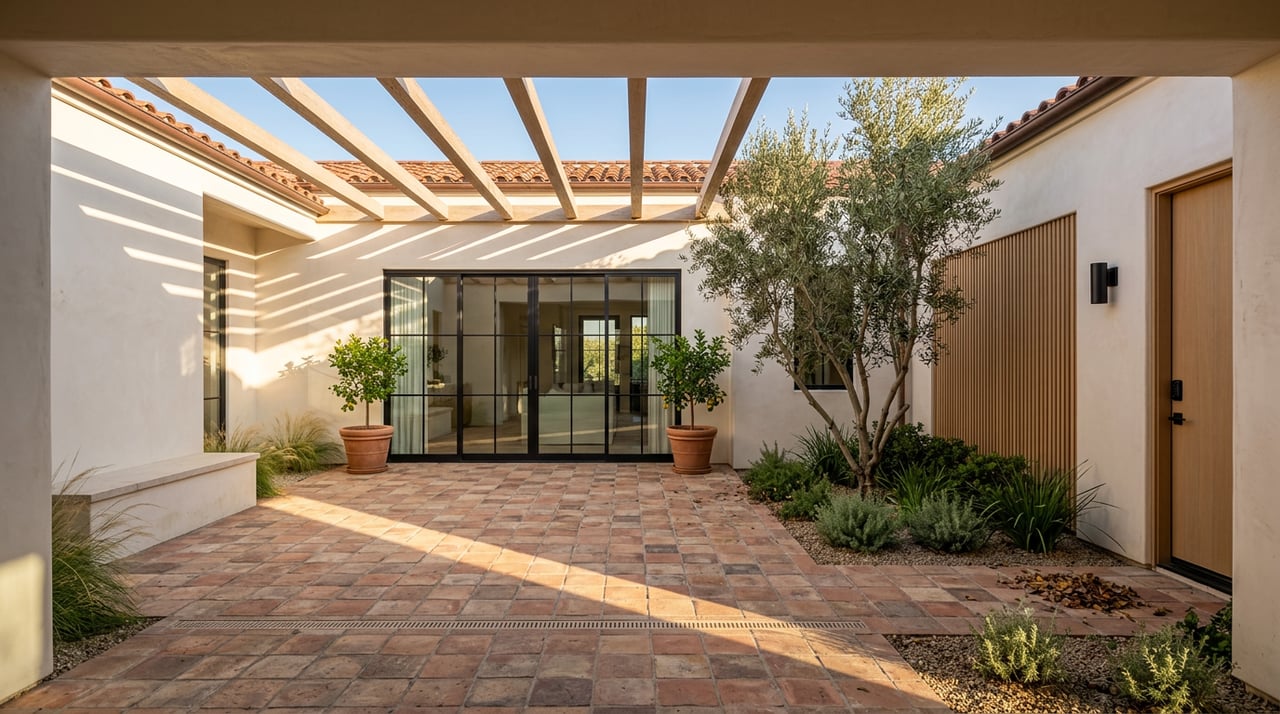
Your Guide to Calistoga Second Home Buying
March 24, 2026
March 24, 2026
Dreaming about a Wine Country retreat where you can unwind in hot springs, sip local vintages, and be back in the Bay by dinner? Calistoga delivers that easy-access, small-town feel with spa culture and vineyard views. If you are weighing a second home here, you want clear guidance on rules, costs, risks, and what to look for in a property. This guide walks you through the essentials so you can buy with confidence and enjoy your time in Calistoga. Let’s dive in.
Calistoga sits at the northern end of Napa Valley and is known for geothermal hot springs, mud baths, and laid-back Wine Country charm. The compact downtown gives you restaurants, tasting rooms, and local shops within minutes of most neighborhoods. For weekend guests, there are family-friendly attractions and spa options all in one place, which keeps the area lively and convenient for short visits. Explore top things to do on the local visitor site to get a feel for the vibe at any time of year through the helpful roundup from Visit Calistoga.
Calistoga is a small market, which means inventory is limited and pricing can vary from cozy cottages to luxury estates. In small cities, one or two high-end sales can shift median figures noticeably from month to month. If you want current pricing and days-on-market trends, ask for a custom snapshot that blends multiple data feeds and recent on-the-ground activity.
Expect a high-value pocket with a mix of classic bungalows near town and larger homes or estates as you move into the hills and surrounding countryside. Because the market is small, plan ahead for timing and negotiate with recent comparables in mind rather than relying on a single monthly median.
Short-term rentals of fewer than 30 days are not allowed in most residential zones in Calistoga. The city has pursued enforcement and clarified rules to strengthen compliance, so if your plan includes Airbnb or nightly rentals, factor in the local ban and the likelihood of enforcement. You can review the city’s summary of policy and past enforcement in this City of Calistoga update.
If you want some income or flexibility, consider allowable longer stays of 30 days or more, or simply enjoy the home as a true getaway for friends and family. Before you make an offer, confirm the property’s zoning and any applicable permit conditions with the city.
Accessory dwelling units can be a smart way to create guest quarters or a separate workspace. California enables ADUs broadly, but size, setbacks, and parking are implemented locally. Review Calistoga’s local guidance and get direct permitting contacts through the regional resource at Napa Sonoma ADU.
If an existing studio, pool house, or garage conversion caught your eye, verify that the improvements were permitted and meet current standards. Your agent can help you pull records and coordinate chats with Planning and Building.
Much of the Calistoga area appears in state Fire Hazard Severity Zone maps. You should check the parcel-level designation, understand defensible-space requirements, and get insurance quotes early. Start with the city’s overview of local mapping and resources in the Fire Hazard Severity Zone page and the city’s Defensible Space guidance.
Wildfire exposure can affect insurance availability and premiums. Some properties may have limited carrier options or may require mitigation work to qualify for preferred rates. Ask for a recent insurance history, verify insurability with a licensed broker before removing contingencies, and budget for ongoing vegetation management.
Inside city limits, most homes connect to Calistoga’s municipal water system, supplied by Kimball Reservoir and treated State Water Project water via Napa. Outlying properties may rely on private wells and septic systems. For context on the city system, rates, and storage capacity, review the public works summary and Prop 218 information in this Calistoga water system document.
If you are considering a rural property, plan for well and septic inspections and ask about recent service records. Confirm internet options as speeds can vary outside town.
Lenders classify second-home loans differently from investment loans. Fannie Mae defines a second home as a one-unit property you occupy for part of the year, suitable for year-round use, and not subject to a rental or timeshare arrangement. You can review the definition and other criteria in the agency’s Selling Guide.
In practice, lenders often ask for a larger down payment and stronger reserves than for a primary home. Well-qualified buyers may see minimums around 10 percent down on conforming second-home products, though 15 to 20 percent is common and higher requirements can apply for jumbo loans. Many lenders also request a few months of housing reserves. Get pre-approved early and confirm whether the lender will allow any projected rent to count toward qualifying, as most second-home programs do not.
Prioritize features that make part-time ownership simple and secure.
Low-maintenance basics
Systems to inspect
Wildfire readiness
Security and remote management
Neighborhood and access
Legal and permitting checks
If Calistoga is calling, you deserve a calm, high-touch process tailored to how you live and relax. From low-maintenance checklists to wildfire and permitting details, you will have clear guidance at every step. When you are ready, connect with Amanda Shone for boutique, locally rooted representation in Wine Country.
Stay up to date on the latest real estate trends.
Your real estate journey starts here.