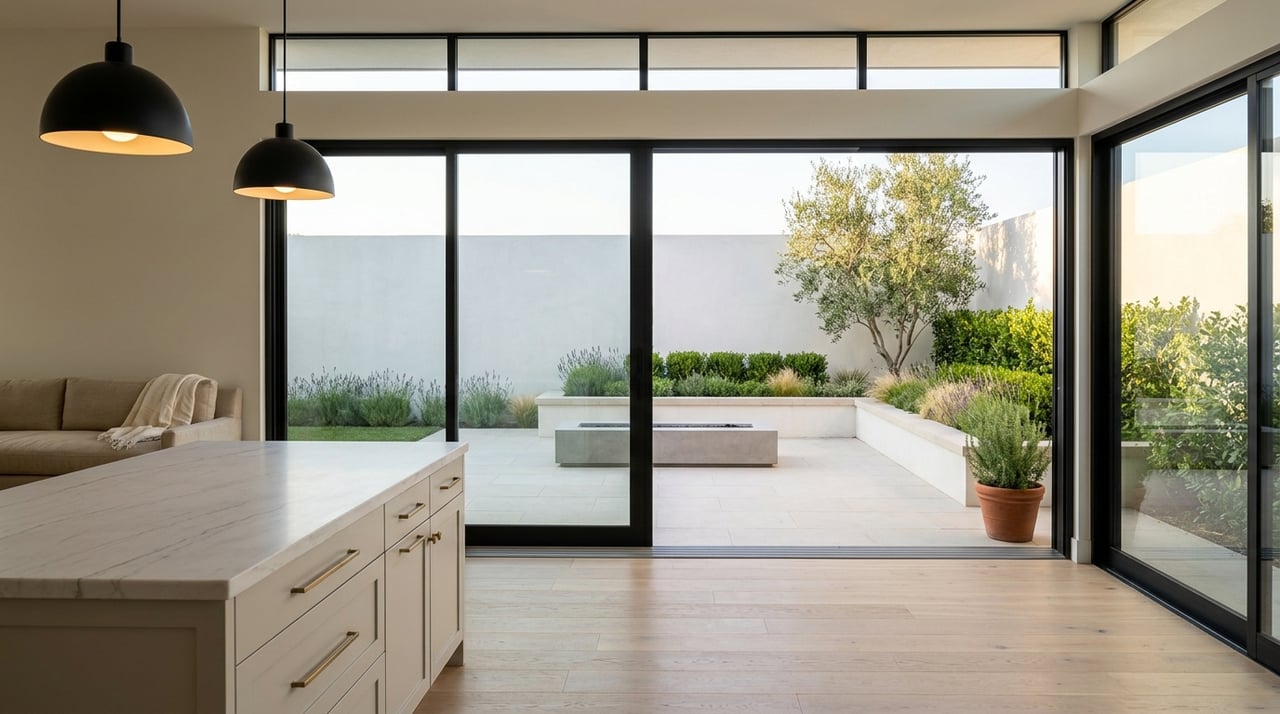
How to Sell Your St Helena Home to Bay Area Buyers
June 25, 2026
June 25, 2026
Looking beyond Napa Valley locals may be the smartest move you make when selling in St. Helena. In a small, high-value market, the right buyer often is not just around the corner. They may be in San Francisco, the East Bay, the Peninsula, or the South Bay, already dreaming about a Wine Country home that fits their weekends, remote work rhythm, or long-term lifestyle goals. If you want your listing to stand out, you need more than pretty photos. You need a strategy that speaks directly to how Bay Area buyers shop, travel, and imagine life in St. Helena. Let’s dive in.
St. Helena is a small city with a distinct identity. The 2020 census counted 5,430 residents, and the city describes itself as a five-square-mile community in the center of Napa Valley, about 65 miles north of San Francisco. That makes it small enough to feel personal, yet close enough to remain realistic for second-home buyers, weekend users, and relocating households from the Bay Area.
That proximity matters because Bay Area buyers already understand the value of access. Napa Valley is served by several airports, including SFO, OAK, SMF, SJC, Napa County Airport, and Buchanan Field. For many buyers, that supports a simple but powerful idea: St. Helena can feel like a retreat without feeling unreachable.
There is also a strong lifestyle connection. Napa Valley welcomed 3.7 million visitors in 2023, with $2.5 billion in visitor spending. The 2023 visitor profile showed an audience that is affluent, educated, and highly return-oriented, with a mean household income of $170,000, 70% repeat visitors, and 95% planning to return. That means many people already have a relationship with the region before they ever begin a home search.
A St. Helena listing cannot be treated like a volume-market listing. A BAREIS snapshot from February 2026 showed just 3 residential sales in St. Helena, with an average sold price of $3.405 million and 148 average days on market. It is a small sample, but it reflects a selective market where presentation, timing, and audience targeting carry real weight.
In a market like this, first impressions do more than generate clicks. They shape whether a buyer books a visit, plans a weekend around the property, and begins to picture ownership. When inventory is limited and expectations are high, a home needs a clear story from day one.
That story should go beyond square footage, bedroom count, and finishes. Bay Area buyers are often responding to a full lifestyle equation that includes ease of arrival, privacy, outdoor living, downtown access, and the feeling of being part of an established Wine Country setting.
St. Helena has a strong sense of place, and your marketing should reflect that. The city notes that three blocks of downtown are listed as a National Historic District, and local planning emphasizes small-town character, shopping, dining, cultural uses, and pedestrian-oriented development near public amenities. That gives buyers context that feels tangible and memorable.
Instead of marketing your home as a list of upgrades alone, position it within the daily experience of St. Helena. Buyers want help imagining what a Friday arrival, Saturday morning walk, or midweek remote-work stay might feel like. The home should feel connected to a broader routine, not isolated from it.
Local amenities help build that picture. St. Helena’s community resources include parks and recreation, library services, arts and cultural offerings, galleries, cinema, theater, museums, the Culinary Institute of America at Greystone, and the St. Helena Performing Arts Center. These details show buyers that life here can be rich, layered, and active throughout the year.
For buyers seeking a fuller picture of day-to-day life, it also helps to note factual community context such as the presence of St. Helena Unified schools, local preschool options, a Montessori school, the Upper Valley Campus of Napa Valley College, and the Culinary Institute of America at Greystone. Keep the language neutral and informative. The goal is to provide context, not make assumptions about a buyer’s priorities.
Online presentation is where many decisions begin. According to NAR’s 2025 Generational Trends report, buyers who used the internet found these listing features most useful:
That means your listing package should be built around the tools buyers actually use. In St. Helena, that usually means more than standard MLS photography. It calls for media and copy that make the property easy to understand from a distance and compelling enough to visit in person.
Before your home hits the market, your marketing package should ideally include:
This kind of launch matters because many Bay Area buyers begin their search online, narrow quickly, and then decide whether a weekend trip is worth it. If your listing answers their biggest questions upfront, it has a better chance of making the short list.
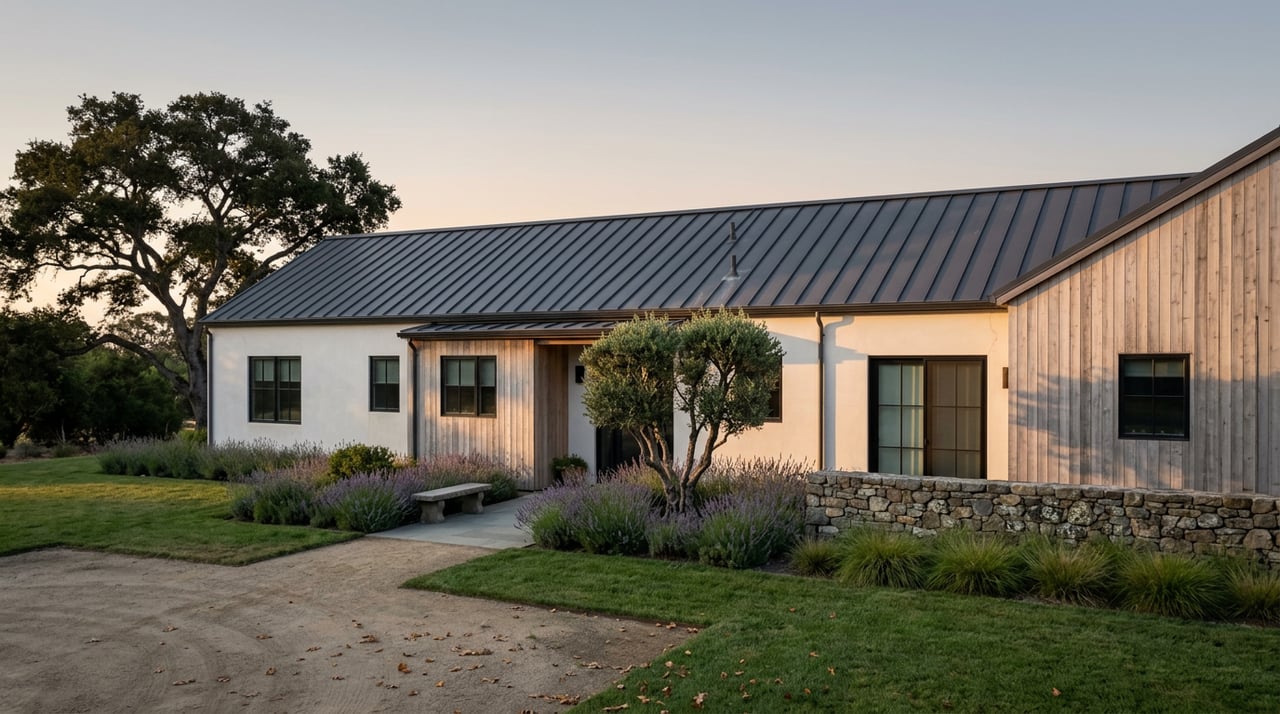
Not every home feature grabs attention equally on a screen. For Bay Area buyers shopping for St. Helena, the strongest digital hooks are often the features that communicate a Wine Country lifestyle at a glance.
That can include:
These features work because they quickly tell a lifestyle story. A bright kitchen is not just a kitchen. It may suggest easy entertaining on weekends. A terrace is not just exterior square footage. It may signal sunset dinners, flexible workdays, and a stronger sense of retreat.
Bay Area buyers often shop with a compressed schedule. They may browse during the workweek, compare options at night, and plan in-person tours for the weekend. That means your listing copy has to do two jobs at once: inform and invite.
Clear copy should explain the home’s practical strengths, but it should also answer an emotional question: Why this home, in this place, right now? In St. Helena, strong listing language often connects the property to downtown convenience, outdoor living, privacy, or a well-defined Wine Country rhythm.
The most effective copy stays grounded and specific. Instead of vague luxury language, describe what is true and relevant. If the home has easy access to downtown, say that. If the site takes advantage of views, mature landscaping, or a tucked-away setting, say that. If the floor plan supports guests or part-time use, make that benefit clear.
Seasonality matters in Napa Valley, especially when visuals help sell the home. Visit Napa Valley identifies spring as March through May, summer as June through August, fall as September through November, and winter as December through February. Each season offers a different visual mood.
For many St. Helena listings, spring and fall are especially strong launch windows. Spring can highlight green growth, gardens, and outdoor living. Fall can showcase harvest energy, vineyard color, and the atmosphere that many buyers already associate with Wine Country.
Harvest season runs from August through October and is described as the valley’s busiest travel period. That can create extra visibility and energy, but it also means buyers may need more lead time to plan reservations and visits. If your ideal buyer is coming from the Bay Area for a weekend, timing and coordination matter.
A thoughtful launch plan often includes:
In a small market, momentum matters. When a listing launches with polished visuals, strong facts, and a clear story, buyers are more likely to engage quickly. That does not guarantee an instant sale, but it improves the odds that your home is taken seriously from the start.
This is especially important when the buyer may be evaluating several Wine Country options at once. If your St. Helena home feels easy to understand, easy to visit, and easy to imagine, it has a stronger chance of rising above the noise.
Selling to Bay Area buyers takes more than exposure alone. It takes pricing judgment, presentation discipline, timing, and a calm understanding of how to position a property in a selective market. NAR’s 2025 Profile of Home Buyers and Sellers found that 91% of sellers used an agent or broker, and that sellers want help with marketing, pricing competitively, and selling within a specific timeframe.
That is where a boutique, high-touch approach can make a meaningful difference. When your advisor coordinates photography, floor plans, property storytelling, neighborhood context, launch timing, and negotiation strategy, the listing comes to market with a more coherent message. In a place like St. Helena, that coherence is part of the value.
If you are preparing to sell in St. Helena, the goal is not simply to reach more people. It is to reach the right people with the right story at the right moment. For tailored guidance on positioning your Wine Country property for Bay Area buyers, connect with Amanda Shone.
Stay up to date on the latest real estate trends.
Your real estate journey starts here.