Which Calistoga Luxury Home Style Suits You?
June 11, 2026
June 11, 2026
Looking at luxury homes in Calistoga can feel exciting and a little overwhelming at the same time. One property may offer a classic bungalow near downtown, while another sits on acreage with hillside views and a more estate-like feel. If you want to buy well in this market, it helps to understand how home style shapes daily living, maintenance, renovation options, and long-term value. Let’s dive in.
Calistoga is not just another Wine Country town. The city describes itself as a small-town, spa-oriented destination known for hot springs, mud baths, vineyards, and a tree-lined downtown, and it functions as part of the Napa Valley market.
That local identity shows up clearly in the housing stock. Calistoga’s General Plan notes that many of the city’s older and historically significant homes are concentrated in the original town plat, with notable houses dating from the late 1800s through the mid-1900s.
For you as a buyer, that means architecture is more than curb appeal. The style of a home often affects walkability, layout, upkeep, renovation potential, and how the property fits into local planning and design expectations.
If you want a home that feels closely tied to Calistoga’s early character, this is one of the first styles to know. Historic cottages and bungalows are most often associated with the older residential streets near the downtown core, including areas around Cedar, Washington, and Wappo.
The city’s historic context and inventory materials show that this part of town contains much of Calistoga’s oldest residential fabric. Sam Brannan Cottage, for example, is the only cottage still standing from the 1866 resort cottages built for the original Calistoga hot springs resort.
Craftsman bungalows are typically one to two stories with low-pitched roofs, broad gables, and porches that often sit under the main roofline. They were designed to feel less formal and less boxy than earlier homes, which often gives them a comfortable, connected flow.
For many buyers, that translates into charm, approachable scale, and a strong indoor-outdoor feel. These homes can be especially appealing if you want a residence that feels rooted in town rather than set apart from it.
Older cottages and bungalows may have more original wood trim, porch details, and historic elements to maintain. If you are considering updates, it is smart to verify past work through the city’s permit records and understand how current design standards may affect future changes.
Buyers drawn to architectural personality often gravitate toward Calistoga’s older Victorian-era homes. The city’s General Plan identifies Queen Anne and vernacular nineteenth-century homes among the styles found in the original town plat.
These homes usually stand out right away. They tend to have more visual complexity and a stronger sense of historic presence than simpler cottage or ranch homes.
Queen Anne homes are often asymmetrical and may include wraparound porches, turrets, and a mix of exterior materials. Interior layouts often center around a main staircase, with rooms that feel distinct rather than fully open.
If you love original character, these homes can offer a memorable living experience. They often feel expressive, layered, and architecturally rich in a way newer construction rarely does.
That same character can also mean more exterior upkeep. More detailed trim, varied surfaces, and older construction features may require more hands-on maintenance than a simpler home style.
If you are considering a historic property, it helps to treat historic inventory records as a starting point rather than a final answer. The Napa County Historical Society notes that some Calistoga historic resource survey dates may be estimates, so permit history and city records can be useful for confirming remodels and additions.
Calistoga also includes several early twentieth-century revival styles that can appeal to buyers who want character with a somewhat more familiar floor plan. The city’s General Plan lists Colonial Revival, Tudor Revival, Spanish Colonial Revival, Craftsman, and Bungalow among the styles present from the first half of the twentieth century.
This category often gives you a middle ground between ornate nineteenth-century architecture and more casual postwar design. In practical terms, many buyers find these homes easier to imagine adapting for modern living.
Colonial Revival homes often emphasize symmetry, front porches, and hipped roofs. Their look tends to feel orderly and balanced, which can appeal to buyers who want a classic, timeless exterior.
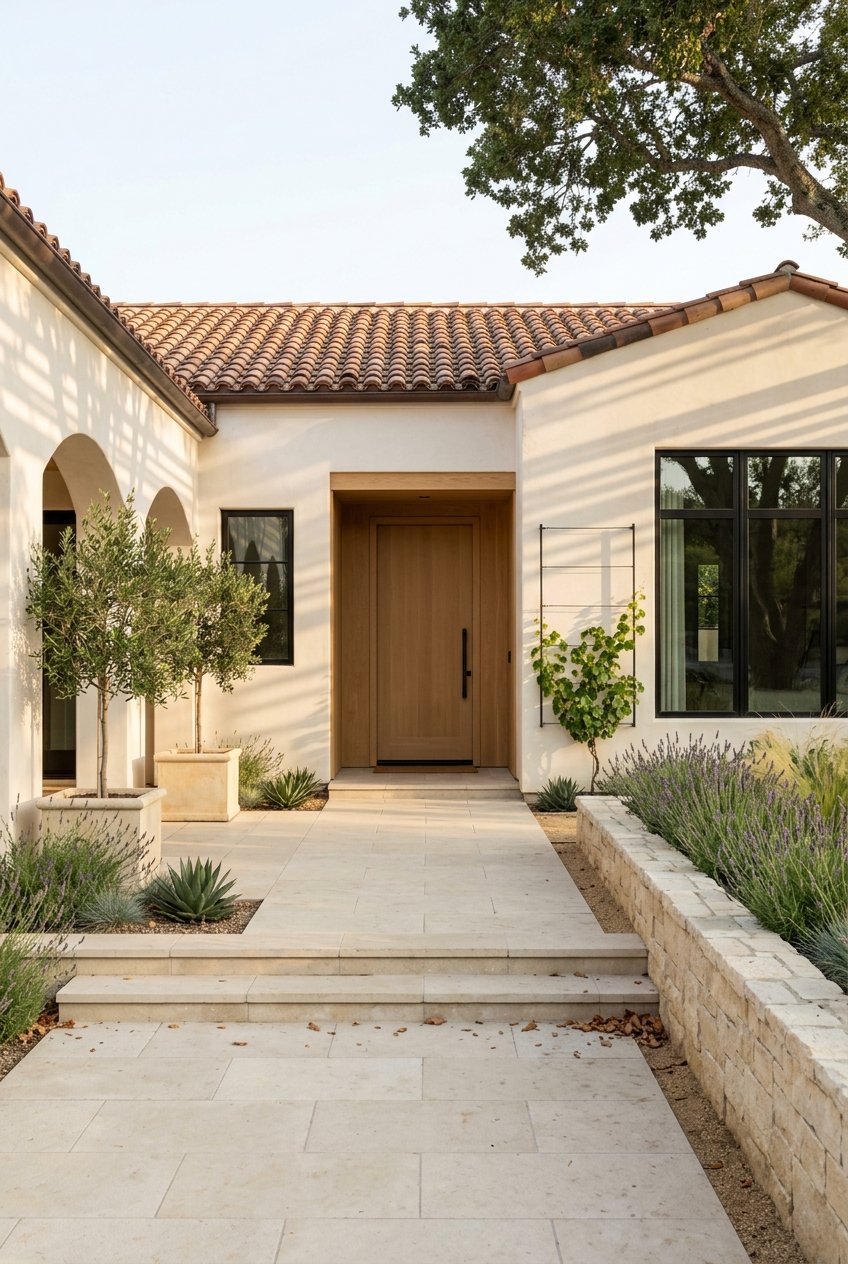
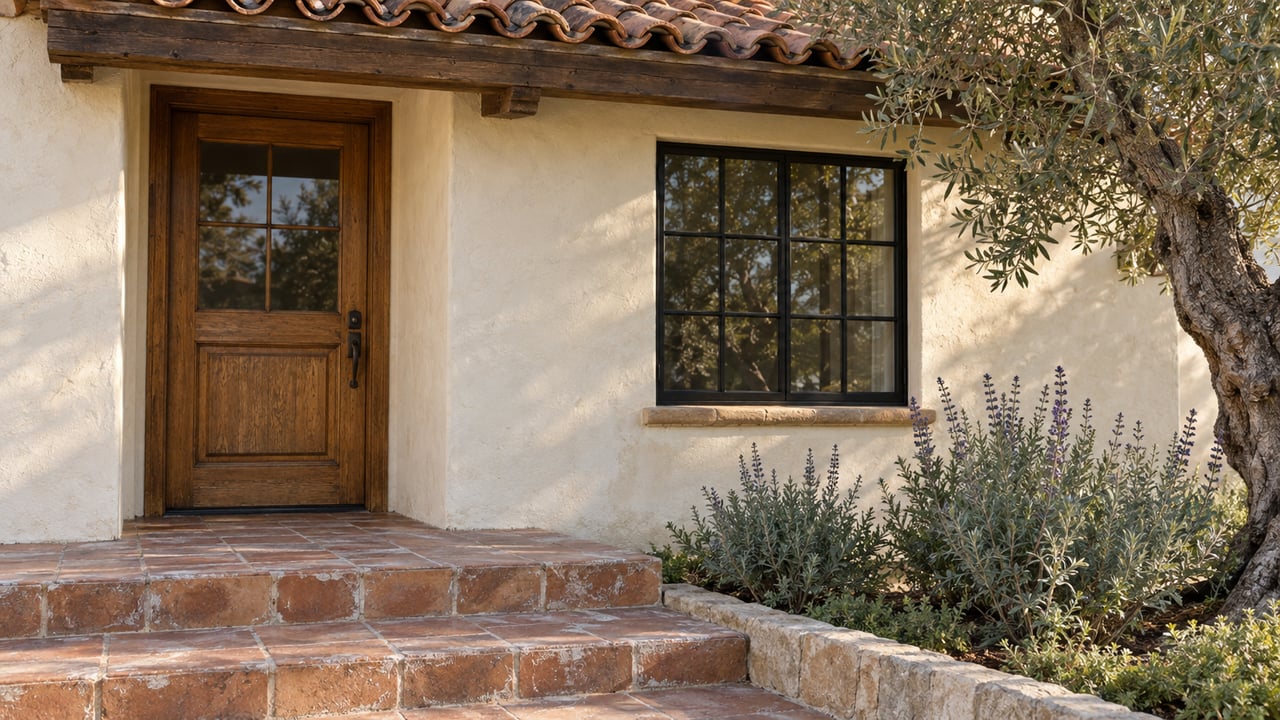
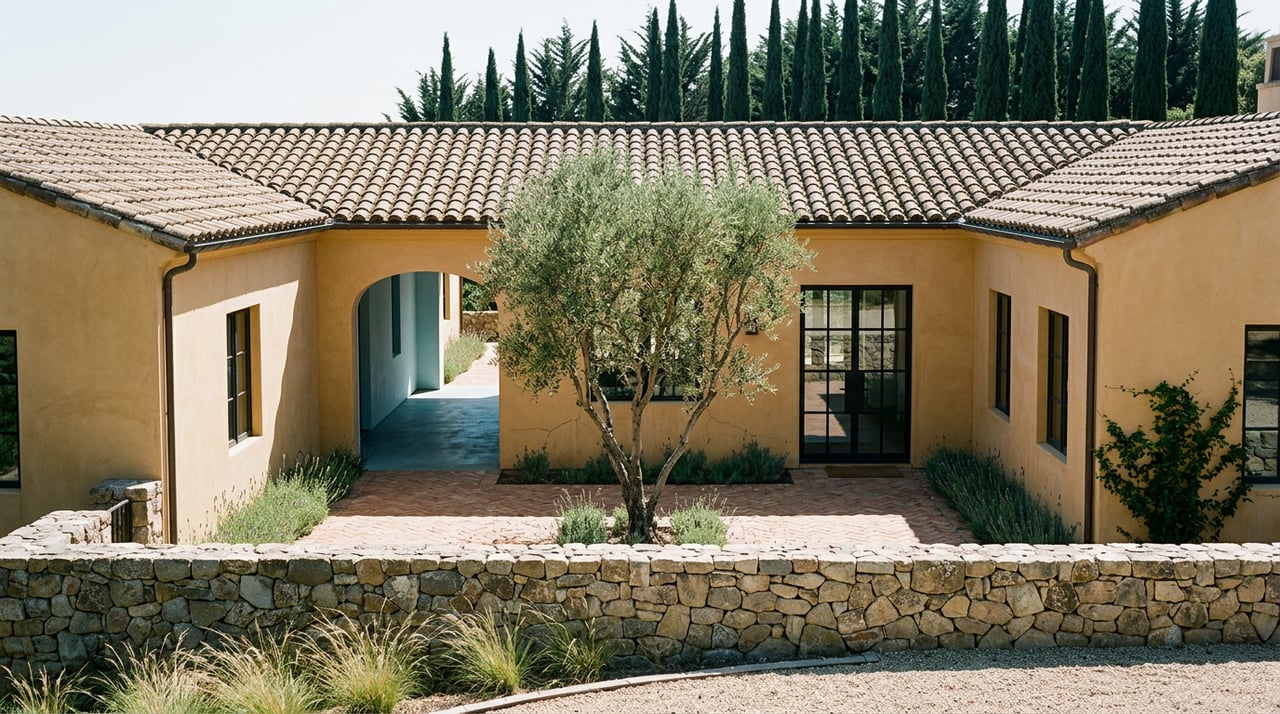
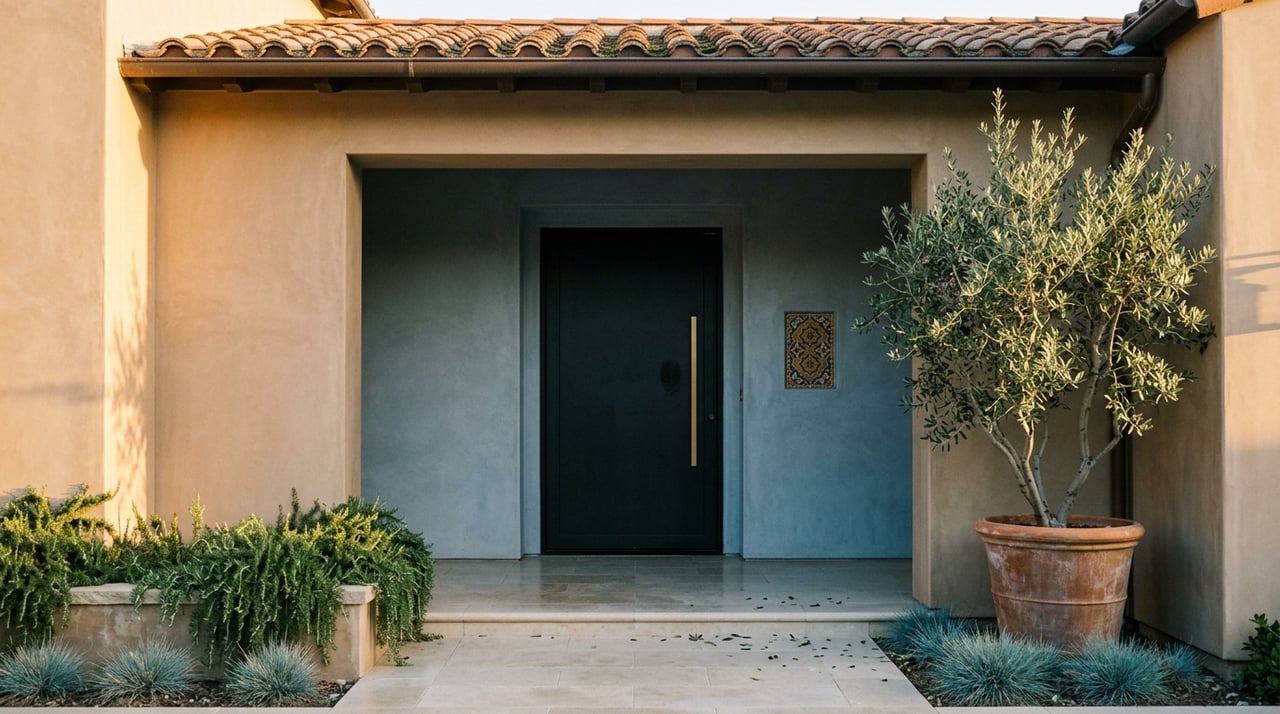
Spanish Colonial Revival homes typically feature stucco walls, low-pitched tile roofs, and arched or courtyard-style forms. In Calistoga, this style can feel especially at home in the broader Wine Country setting because it blends comfortably with warm climate design and outdoor living.
Tudor Revival homes bring a different historic mood, while Craftsman influences continue to show up through broad gables and porch-centered living. If you want an older home without the highly ornate appearance of a Victorian, these styles may offer a strong balance.
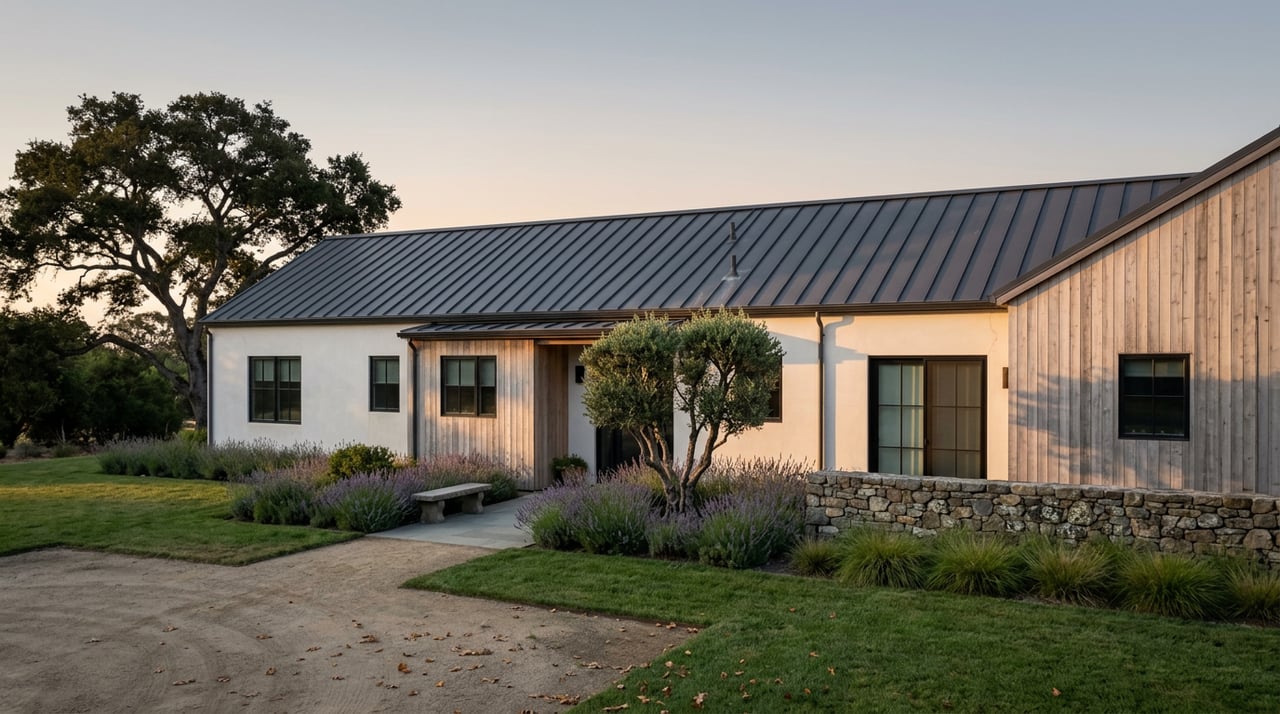
Ranch homes are another style luxury buyers should know, especially if ease of living is high on your list. Ranch architecture developed in California in the 1930s and is generally defined by one-story living, low-pitched roofs, wide eaves, and a horizontal layout.
In everyday terms, this style often feels relaxed and practical. The floor plan usually supports easier circulation and a more casual connection between interior spaces and the outdoors.
Single-level living can be appealing if you want fewer stairs, a simpler layout, or a home that feels easy to use for full-time living or as a second-home retreat. Compared with older, more segmented homes, ranch properties often feel more straightforward.
Not every ranch home will have the same architectural drama as a Victorian or hillside estate, but that simplicity can be part of the appeal. For the right buyer, the value is in comfort, flow, and function.
At the luxury end of the Calistoga market, hillside estates and larger-acreage compounds create a very different experience from in-town homes. These properties often emphasize privacy, views, and a more resort-like sense of space.
The city’s Kortum Ranch project page offers a helpful snapshot of this segment, describing homes on lots from 0.38 to 6.10 acres with residences around 2,500 to 4,500 square feet and hillside-sensitive design features such as retaining walls and road improvements.
This is less about one architectural style and more about a property type. You may see estate homes with contemporary wine-country design, Mediterranean influences, or other luxury finishes, but the common thread is the land itself.
These properties often attract buyers who value room to spread out, separated guest uses, and a setting that feels distinctly private. In Calistoga, that can be a major draw.
Larger sites usually come with more site management. Driveways, slopes, retaining walls, vegetation, and access all deserve close attention during due diligence.
For hillside and acreage properties, design and permitting can be more involved. Depending on the site, buyers may need to account for local review standards and, in some cases, geotechnical or soils review.
In Calistoga, wildfire preparedness is part of the buying conversation no matter which home style you prefer. The city states that defensible space is crucial, weed abatement is required, and properties must be kept free of excessive vegetative growth.
The city also says updated 2025 Fire Hazard Severity Zone maps have been adopted. In high fire hazard severity zones, new construction must meet Wildland-Urban Interface Chapter 7-A standards, and in very high zones homeowners must maintain defensible space within a 100-foot radius or to the property line.
A downtown bungalow, a ranch home, and a hillside estate may look very different, but all are shaped by the same local fire-resilience expectations. The difference is how those expectations play out on each site.
A more ornate historic home may require close attention to roof and exterior details. A larger hillside property may involve broader vegetation management, longer drive access, and more ongoing landscape planning.
If you are buying with plans to improve a home over time, Calistoga’s local rules matter just as much as style. The city’s Planning Division lists Residential Design Guidelines and Objective Design Standards, and the General Plan says residential development should protect established neighborhood character and avoid oversized or bulky homes.
The Building Division also notes that new construction and improvements must conform to state and city codes, including energy and water conservation standards. The city specifically recommends speaking with Planning and Building before architectural plans are drawn.
Before you close, it is wise to review permit history. The city’s Building Division maintains permit records and an online permit portal that can show permit issue dates, final dates, and inspection history.
That step can be especially important for older homes, properties with additions, or estates where guest spaces and site improvements may have evolved over time.
ADUs can be a meaningful value factor in Calistoga. The city says its ADU process has been streamlined with faster approvals, reduced fees, and flexible design standards, and notes that ADUs and JADUs can support family housing, rental income, or caregiver needs.
For buyers comparing cottages, larger lots, or estate parcels, that flexibility may influence which property feels most useful long term. It is one more reason to evaluate not just the house you see today, but also what the property may support in the future.
If you want to be close to downtown and enjoy a strong sense of historic place, cottages, bungalows, and early homes in the original town plat may be the best fit. If you love expressive architecture, Queen Anne and other Victorian-era homes offer personality that stands apart.
If you want classic character with a somewhat easier path to modern living, early twentieth-century revival homes can be compelling. If comfort, simplicity, and single-level flow matter most, ranch homes are worth serious attention.
And if privacy, views, and a more expansive Wine Country lifestyle top your list, hillside estates and vineyard compounds may offer the strongest match. The key is to weigh style against maintenance, fire resilience, permit history, and long-term usability.
Calistoga is a nuanced market, and the right purchase is rarely just about finishes. It is about matching architecture, land, and local requirements to the way you actually want to live.
If you want expert guidance as you compare Calistoga properties, from historic homes near town to complex acreage and estate opportunities, connect with Amanda Shone for thoughtful, locally informed advice.
Stay up to date on the latest real estate trends.
Your real estate journey starts here.