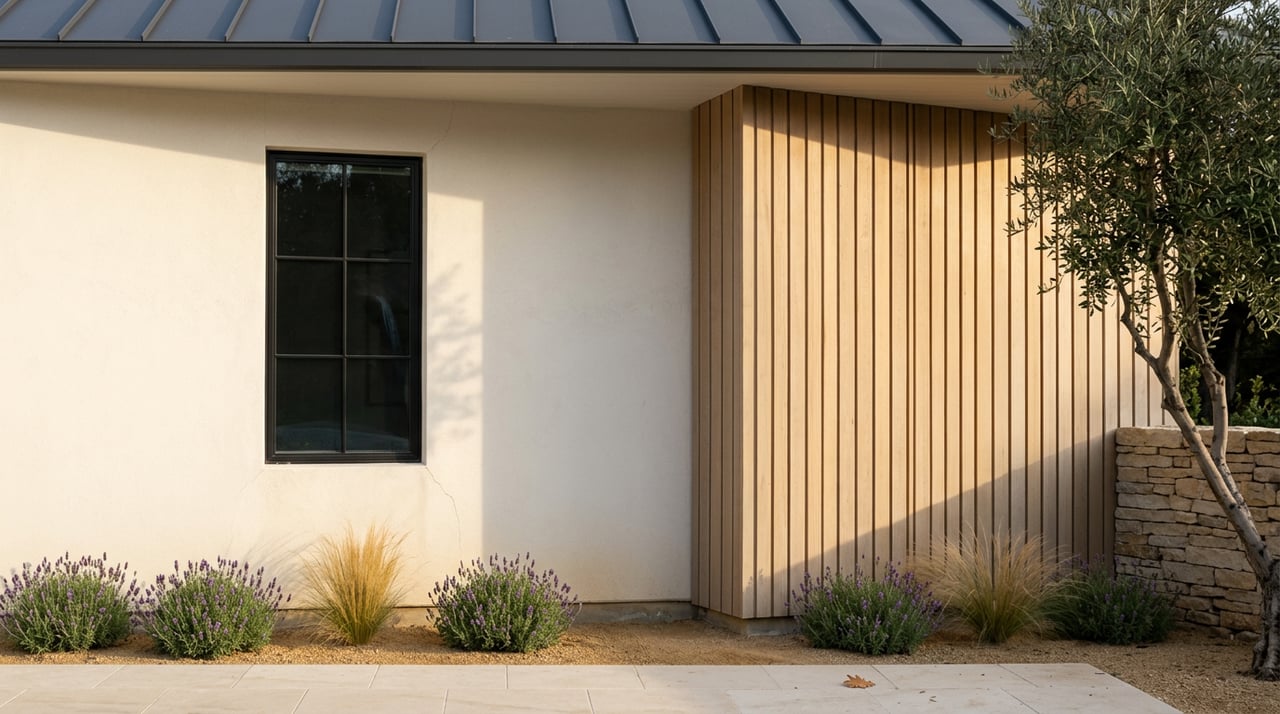
Napa Neighborhood Home Prices in 2026 by Submarket
July 16, 2026
July 16, 2026
Open a portal, type in Napa, and you get one number. The median is somewhere around $915,000. That number is accurate, and it is also close to useless. It describes a city that does not exist as a single market. Cross Highway 29 and the median jumps by $220,000. Climb the hill east of downtown and the same dollars buy a view instead of a lot. Drop into the older stock south of First Street and a well priced home still takes six weeks to move.
Napa in 2026 is five submarkets running on five different clocks. The clocks matter more than the medians, because the mechanism that decides whether your home clears in three weeks or drifts for three months is not location. It is list-price discipline, and it is punishing sellers who read the citywide number and assume it applies to their street.
Here is what the headline hides. Napa's citywide median home price sits at $915,000 as of April 2026, with the average sale price landing higher at $1,090,528. That gap between median and average is roughly 19%, and it exists because the top of the market is doing disproportionate work. A handful of $1.5M to $3M estate sales in Carneros and Coombsville drag the average up while the middle sits still.
Split the city into its actual submarkets and the picture sharpens:
| Submarket | Character | Typical median | Days to pending |
|---|---|---|---|
| Browns Valley (west of Hwy 29) | Wide streets, larger lots, established | ~$1,135,000 | 14 to 18 |
| Los Carneros / Cuttings Wharf | Rural, vineyard-edge, wide price band | ~$1,187,500 | 30 to 90 |
| Alta Heights | Hillside east of downtown | Variable, view premium | 21 to 28 |
| Coombsville / The Avenues | Semi-rural, AVA parcels | Wide range | Varies with acreage |
| Central Napa | Older stock, condos, walkable | ~$730,000 | 30 to 45 |
Sources: Browns Valley trades at a $1,135,000 median with 14 to 18 day medians when priced correctly; Alta Heights closer to 21 to 28; Carneros wide with $1.5M+ homes sitting 45 to 90 days and $1M entry-level moving in 30; east-side core older stock and condos at 30 to 45 days. Los Carneros carries a median around $1,187,500. Central Napa closed January 2026 at a median of $730,000 with 71 days on market.
Read across the table and the citywide median stops looking like a market summary. It looks like an average of five markets that share a zip code and almost nothing else.
The spread between median and average is the first tell that Napa's headline number is a composite. The average sale price roughly 19% above the median tells you the top of the Napa market is doing the heavy lifting while entry-level Napa is slower. Translation for a buyer at $850,000: you are shopping in the softest tier of the city, competing with fewer buyers, and you have real leverage on price and terms. Translation for a buyer at $1.6M: you are in a thinner pool where the right property clears fast and the wrong one sits until fall.
The buyer competing for a Browns Valley three-bedroom is not the buyer bidding on a Coombsville vineyard parcel, and neither of them should be looking at $915,000 as their market signal. They are shopping in different economies.
Browns Valley. West of Highway 29 with a horseshoe layout connecting north and south Napa. Wide streets, larger lots, local parks, highly regarded schools, and Century Oaks Park as a gathering place. Anchor amenities include Browns Valley Market and Connelly Ranch. Expect single-family homes on generous lots in the $1.1M to $1.3M band. This is where inventory is thin and buyers compete hardest.
Alta Heights. East of downtown on the hillside. Quiet, tree-lined streets and a hillside setting deliver views over downtown, with the Oxbow Public Market and Napa's dining at the base of the hill. Homes are typically ranch, bungalow, or multi-level. View premium homes go faster; view-less inland homes drift. This is a submarket where two houses two blocks apart can trade months apart because one has the valley and one does not.
Coombsville and The Avenues. Southeast Napa, semi-rural, home to the Coombsville AVA. Coombsville offers larger parcels, vineyard views, and a semi-rural atmosphere while remaining minutes from downtown amenities. The Avenues run First through Fourth over toward Vichy. Buyers here are usually shopping for acreage, hobby vineyards, or ADU-ready lots, and the pricing conversation shifts from square footage to parcel size and use.
Los Carneros and Cuttings Wharf. Southern gateway to the valley. A rural, vineyard-laced landscape with cozy cottages to sprawling estates. The wide price band is real. A $1M cottage at the edge of the AVA moves in about 30 days. A $2.5M estate on acreage can sit through two seasons.
Central Napa and downtown. Older stock, condos, and walkable blocks. Softer pricing, longer marketing periods, and a buyer pool that is genuinely price-sensitive rather than lifestyle-driven.
Silverado Country Club. Gated, resort-style, golf-adjacent. A separate ecosystem with its own comps and its own buyer, largely disconnected from what happens in Browns Valley or Alta Heights.
Here is the mechanism that most sellers miss. The 21-day citywide median is not a promise. It is a result reserved for correctly priced homes. List price discipline matters more than ever. A 5% overprice in Napa 2026 costs you 30 days of carrying cost and a stained days-on-market number. Get it right at list and the market still moves fast.
That is the whole game in Napa this year. The market is not slow. The market is unforgiving to sellers who anchor to peak-cycle comps. Pending times have tightened from 35 to 40 days in late 2024 to 21 days in April 2026, which sounds like a hot market and is, for the priced-right listing. The homes that sit past 70 days are almost always homes that launched 5% to 8% above what the submarket would carry, then chased the market down in cuts.
The buyer-side implication is the mirror image. A listing at 45 days on market in Browns Valley is not damaged inventory. It is almost certainly a pricing story, and the seller has now absorbed enough carrying cost to negotiate meaningfully.
Two pieces of transaction texture that do not appear on any listing page:
Neither of those specifics shows up in a median. Both change the number a specific buyer will pay for a specific property.
Is Napa a buyer's market or a seller's market in 2026? It is both, depending on the submarket and the price band. Browns Valley under $1.3M priced correctly is a seller's environment. Carneros above $1.5M and Central Napa condos are buyer environments. The citywide framing does not describe either accurately.
What does the median-to-average spread tell me as a buyer? That the top of the market is thin and the middle is soft. If you are shopping under $1M, you have more room than the headline suggests. If you are shopping above $1.5M, you are in a submarket that rewards patience.
How much does days-on-market vary within Napa? Browns Valley west-side homes move in 14 to 18 days; older east-side and condo inventory takes 30 to 45 days. That range across a single city is the whole point of the local-first analysis.
If you are weighing Napa against Sonoma, Yountville, or a submarket you have not walked yet, the number to trust is not the citywide median. It is the median on your street, on the correct side of the highway, at the correct elevation, for the correct parcel size. That is the number Amanda Shone works with every day, and it is the number the portals do not print.
Curious what your Napa home would actually list for in today's submarket? Get your instant home valuation and we will follow up with a submarket read that reflects your street, not the citywide average.
Stay up to date on the latest real estate trends.
Your real estate journey starts here.