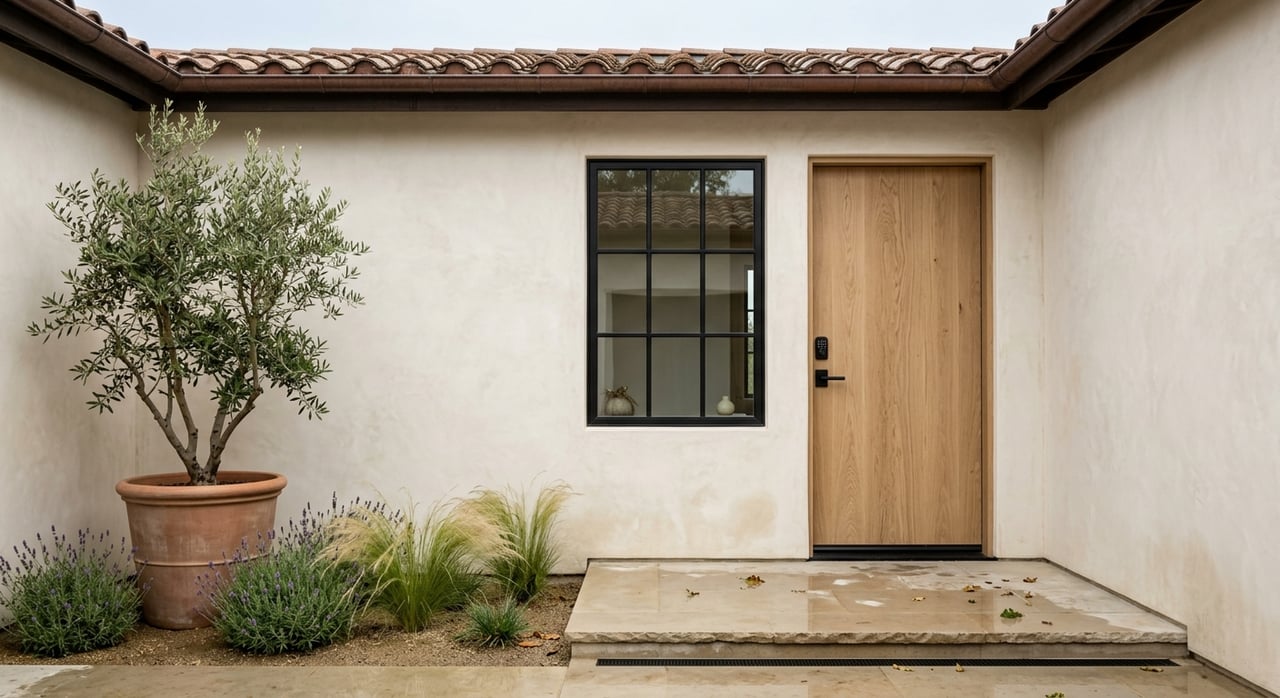
Best Time to Sell a Sonoma Home by Season
May 28, 2026
May 28, 2026
Wondering if there is a “right” time to sell your Sonoma home? In Wine Country, the calendar can shape everything from curb appeal to buyer attention, but seasonality is only part of the story. If you are planning a move, this guide will help you understand how Sonoma’s weather, visitor patterns, and current market conditions can influence your timing so you can make a smart, confident decision. Let’s dive in.
Selling in Sonoma is different from selling in a market with less seasonal rhythm. Here, tourism, harvest culture, and weather all shift throughout the year, and those changes can affect how your home looks, how easily buyers can tour it, and how much competition you face.
In 2024, Sonoma County welcomed 10.5 million visitors. The strongest travel period was July through September at 29% of annual trips, followed by April through June at 27%. By comparison, January through March and October through December each accounted for 22%, which shows that visibility and energy in the region tend to peak in warmer months.
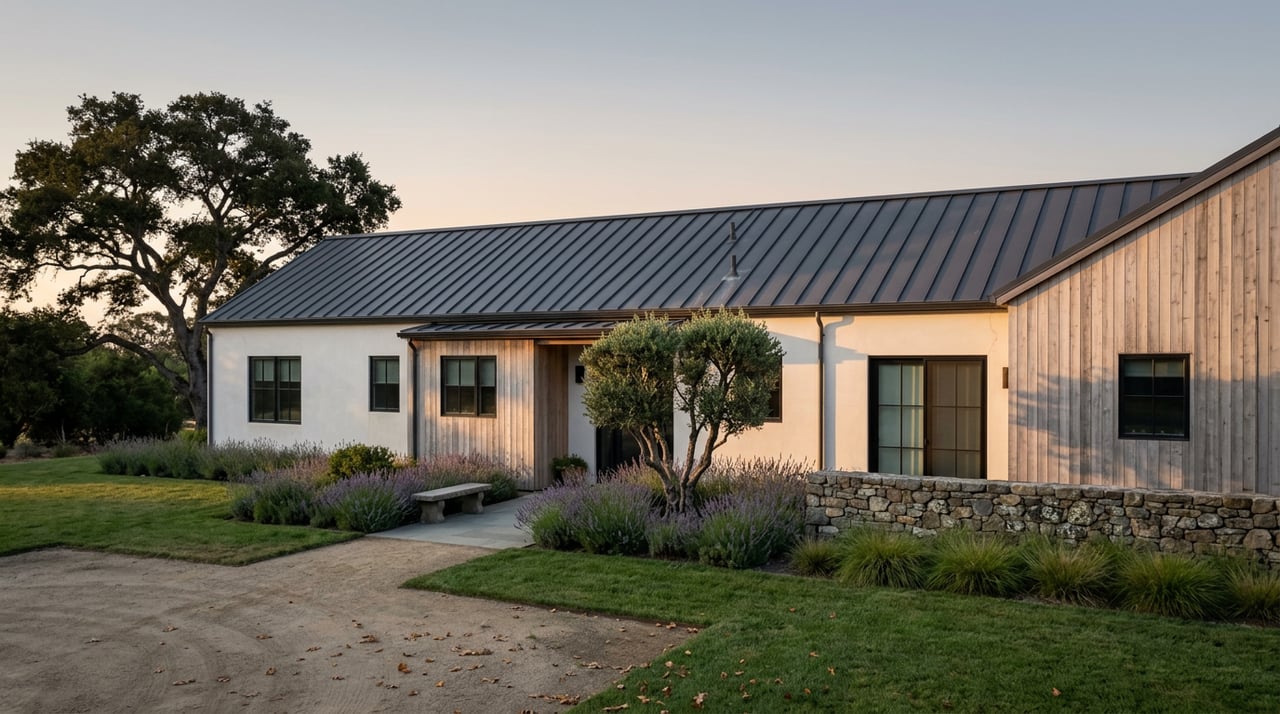
That matters because Sonoma homes often sell on more than square footage alone. Outdoor living, gardens, views, and the broader Wine Country setting can all play a meaningful role in how a property is experienced.
The local climate has a real impact on listing presentation. According to NOAA climate normals for Sonoma, January and February average 5.47 and 5.42 inches of precipitation, while July is effectively dry and August averages just 0.06 inches.
Temperatures shift just as much. Average highs move from 57.0°F in January to 86.1°F in August, which helps explain why spring through early fall often offers better conditions for exterior photography, landscaping, and open houses.
If your home shines outdoors, weather can directly affect first impressions. A sunlit patio, green garden, or hillside view typically reads very differently in April than it does during a rainy winter week.
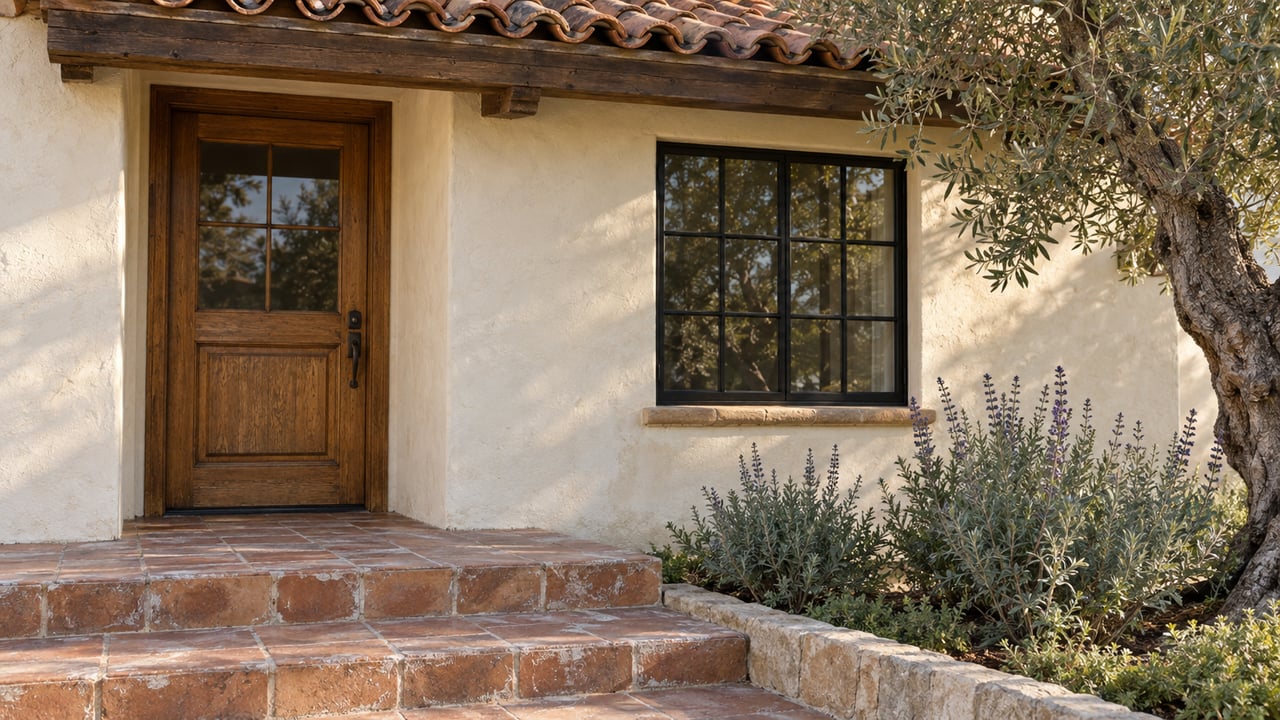
Spring is often the most balanced season for Sonoma sellers. The landscape is greener, the weather is milder, and regional activity tends to build as visitors return for festivals and spring travel.
Sonoma County Tourism defines spring as March through May, a season shaped by wildflowers and local events. That backdrop can support homes with strong curb appeal, outdoor entertaining areas, and scenic surroundings.
National seller research from Realtor.com identified April 12 to 18 as the best week to list in 2026, with homes historically receiving 16.7% more views, selling about nine days faster, and carrying median listing prices roughly $26,000 above January levels. While every Sonoma property is different, spring often gives sellers a favorable mix of attention and presentation.
The tradeoff is competition. As more sellers enter the market, your pricing and launch quality still need to be sharp.
Spring can be especially effective if your home features:
Summer keeps Sonoma highly visible. July through September is the county’s busiest travel quarter, and Sonoma County Tourism frames the season around warm days, cool nights, outdoor activities, and regular events.
For sellers, that visibility can be helpful. Homes with patios, pools, guest space, and indoor-outdoor flow may photograph and show particularly well during this time of year.
At the same time, summer schedules can be fragmented. Buyers may be traveling, juggling family plans, or splitting attention between home shopping and seasonal activities, so a focused marketing plan still matters.
Summer can work well for properties with:
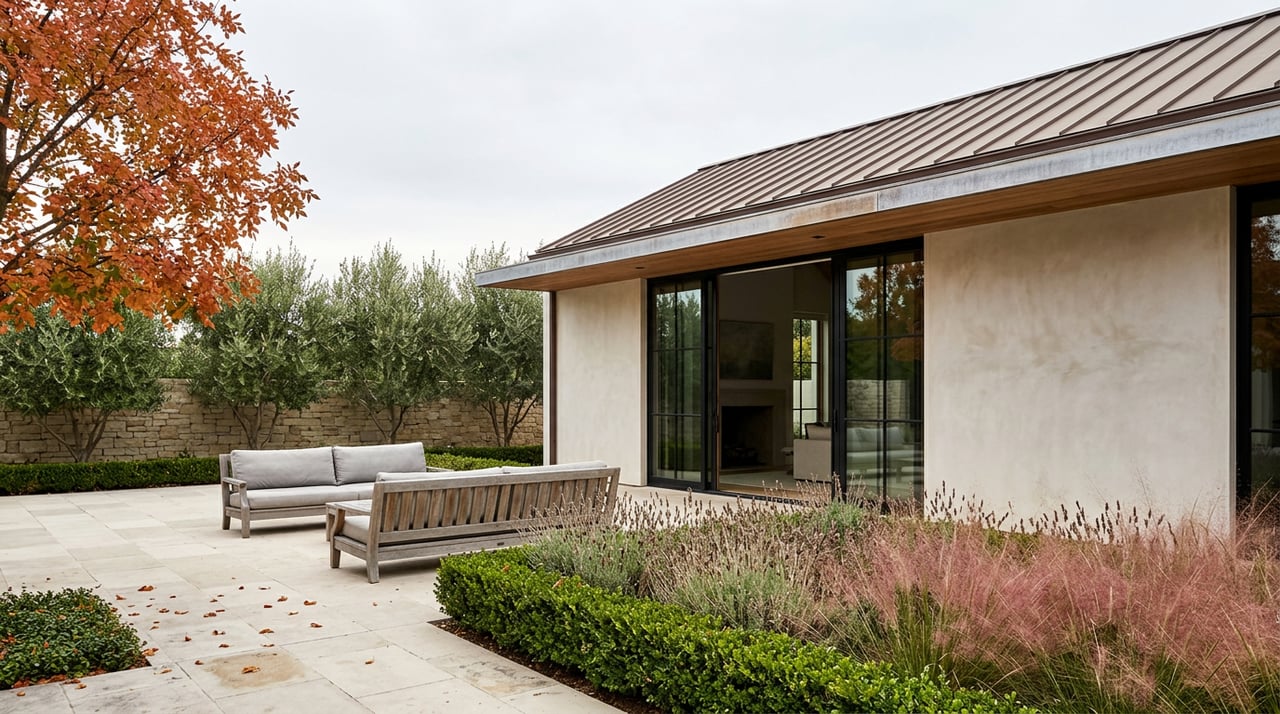
Fall is Sonoma’s signature season. Sonoma County Tourism describes harvest as the region’s most iconic time of year, with early-September-through-late-November color, peak ripeness, and a full calendar of seasonal events.
That setting can create a strong lifestyle story for certain listings. Vineyard-adjacent homes, acreage, estates, and properties that lean into a Wine Country experience may benefit from the visual and emotional pull of harvest season.
Still, a busy event calendar can make logistics more complex. Showing schedules, local traffic, and travel planning may require more coordination than they would at another time of year.
Fall often suits:
Winter is the most selective season. Sonoma County Tourism describes winter as mild, green, and less crowded, but it is also the wettest part of the year based on NOAA data.
That means winter can be less forgiving for homes that depend heavily on exterior presentation. Rain, softer light, and muddy landscaping conditions can affect photos, open-house flow, and the way a property feels in person.
That said, winter is not a dead market. Sonoma County Tourism has been working since 2005 to build visitation from November through April, which shows the off-season may be quieter, but it is still active.
Winter can make sense if:
Seasonality does not operate in a vacuum. It works inside the market conditions you are selling into, and right now the numbers suggest a relatively balanced environment.
As of April 2026, Sonoma County had 1,849 active listings, a median of 33 days on market, and homes selling at about 100% of asking price on average. In Sonoma itself, there were 203 homes for sale, a median of 39 days on market, and a 99% sale-to-list ratio.
In a balanced market, timing can help you gain attention, but it does not replace pricing discipline or thoughtful preparation. The season may open the door, but your presentation and strategy still drive the result.
If there is one clear takeaway, it is this: there is no universal best season for every Sonoma home. The best timing is usually the one that aligns your property’s strongest features with the season when they will show most clearly.
Late winter and spring tend to produce the year’s lowest level of price reductions, according to Realtor.com’s 2026 seller research. That supports the idea of a well-prepared spring launch when your goal is to maximize attention while minimizing the odds of chasing the market later.
But if your move cannot wait for spring, that does not mean you have missed your chance. It means your pricing, condition, photography, and marketing plan need to be even more intentional.
If you have flexibility, it can help to begin preparing before you plan to list. Realtor.com’s 2026 seller survey found that 53% of sellers took one month or less to get ready to list, which suggests the prep window can move quickly once you commit.
In Sonoma, that preparation should match the season and the property. A garden-forward home may benefit from a spring launch, while a polished estate with strong indoor-outdoor living might perform beautifully in summer or fall.
A smart plan often includes:
For more complex properties, timing can also affect how you present the details. If your home includes acreage, ADU potential, or other technical considerations, a strong listing strategy should pair visual storytelling with clear, organized information for buyers.
Seasonality absolutely impacts selling your Sonoma home, but it should guide your strategy, not control it. Spring often offers the strongest all-around conditions, summer brings high visibility, fall can elevate Wine Country lifestyle appeal, and winter can still work when the home is prepared and priced with care.
The most effective time to sell is the season that best supports your property’s strengths and your personal timeline. With the right preparation, pricing, and presentation, you can create momentum in any season.
If you are thinking about when to list in Sonoma, Amanda Shone can help you evaluate your timing, position your home thoughtfully, and build a marketing plan around what makes your property stand out.
Stay up to date on the latest real estate trends.
Your real estate journey starts here.